A dedicated enthusiast and influential advocate of Inuit art, Dr. Norman Epstein was among the first generation of passionate Canadian collectors of Inuit sculpture.
Publicly known for lending works from his collection to numerous provincial and national exhibitions, Dr. Epstein also shared his collection with patients and friends. In 1990, an interview with Dr. Epstein was published in Inuit Art Quarterly (IAQ) as part of a three-part profile on collectors, alongside interviews with important contemporaries Samuel Sarik and Peter Millard. In the article, Dr. Epstein speaks about both the public and personal side of his collecting.
Dr. Epstein first encountered Inuit art while working as a resident in paediatrics at the Montreal Children’s Hospital in the 1950s, where Inuit children were brought south for medical treatment. Frustrated by what he perceived as an unusually slow improvement in the children’s health, Dr. Epstein and his colleagues thought that the children might benefit from an opportunity to work with their hands, and started a sculpting program for the young patients. Quickly impressed and fascinated by their carvings, he sought out Inuit art at the Canadian Guild of Crafts Shop in Montreal, and made his first purchase that year for fifteen dollars—half a month’s salary for a resident doctor in 1956.
Dr. Epstein would go on to purchase more Inuit artwork, guided by pioneering figures in the Canadian art scene, including Avrom Isaacs, Harold Seidelman, and M.F. (Budd) Feheley. However, he remained true to his own sensibilities and personal preferences, building a collection almost solely composed of sculpture, preferring the medium’s “tactility” and “spiritual warmth” over Inuit graphics.
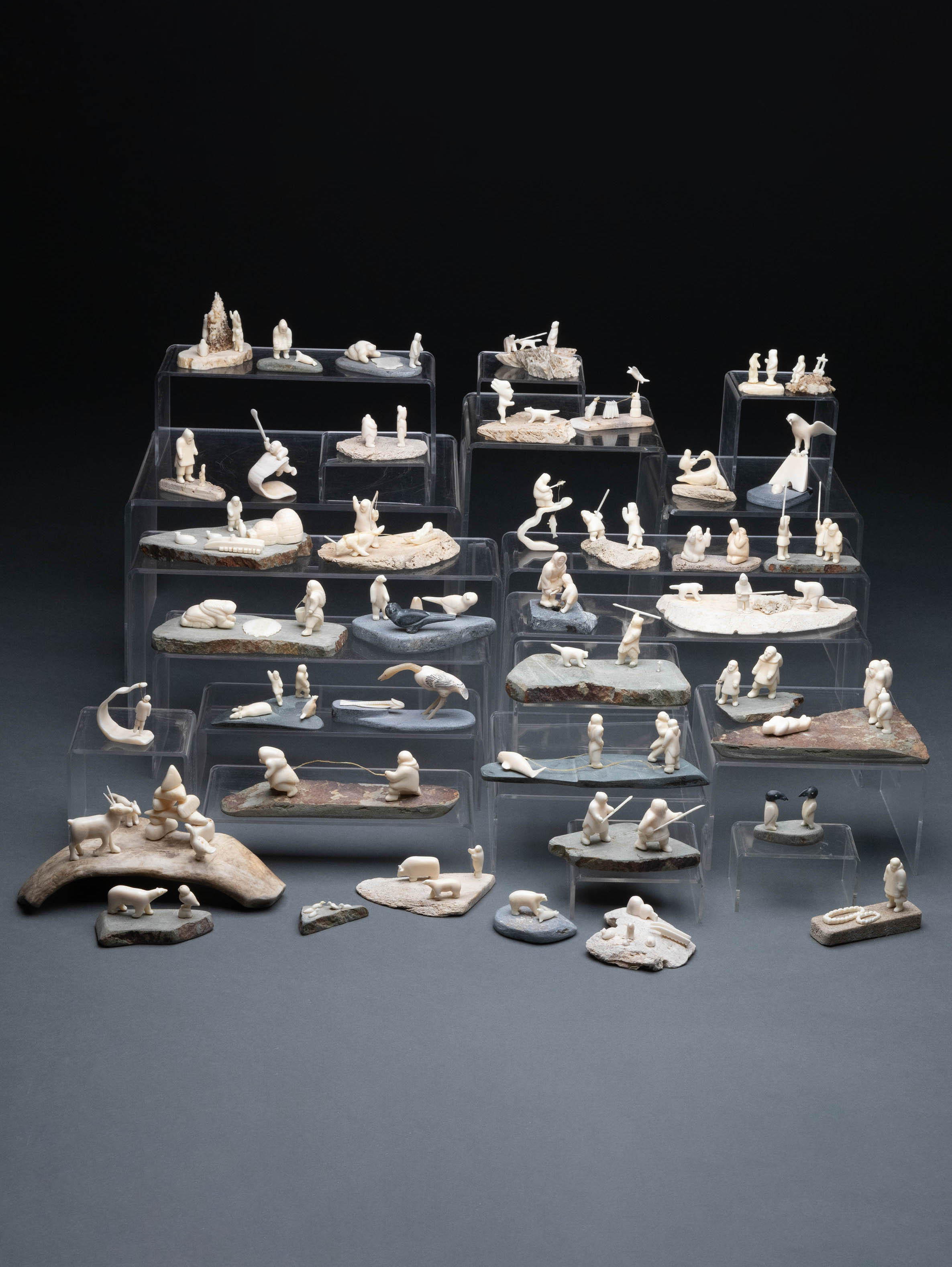
Dr. Epstein displayed artworks in his offices for the pleasure of his many patients, selecting mother and child scenes for his waiting room, and including bears in his office. His passion also extended to artworks in ivory and whalebone. Over the years, Dr. Epstein owned several significant works by Karoo Ashevak and kept the most important, Drum Dancer, which was exhibited in the small but influential show The Spirit of the Land at the Koffler Gallery in Toronto in 1986. Dr. Epstein’s important collection of small ivory sculpture by Arviliqjuaq (Pelly Bay) artist Augustin Anaittuq was the subject of a solo exhibition at the Art Gallery of Ontario in 1985, and later exhibited alongside one of his favourite Pauta bears in the landmark 1988–1991 Canadian Museum of History exhibition In the Shadow of the Sun.
The significance of holding national exhibitions was part of Dr. Epstein’s firm conviction about the cultural value of his chosen collecting field, stating emphatically in the 1990 IAQ interview, “Inuit art is a Canadian heritage.” Ever passionate, Dr. Epstein drove the point home, recollecting with gusto a story about once selecting an Inuit mother and child sculpture over a “beautiful Emily Carr painting” offered to him by a dealer.
By the 1990s, Dr. Epstein was making fewer changes to his collection. While often shared with the public, the collection was also deeply personal for him, treasured through its many iterations over 60 years. Dr. Epstein notes of his sculptures at the close of the article, “I love them so much, which may be a sickness for which there is no cure.”
About the auction:
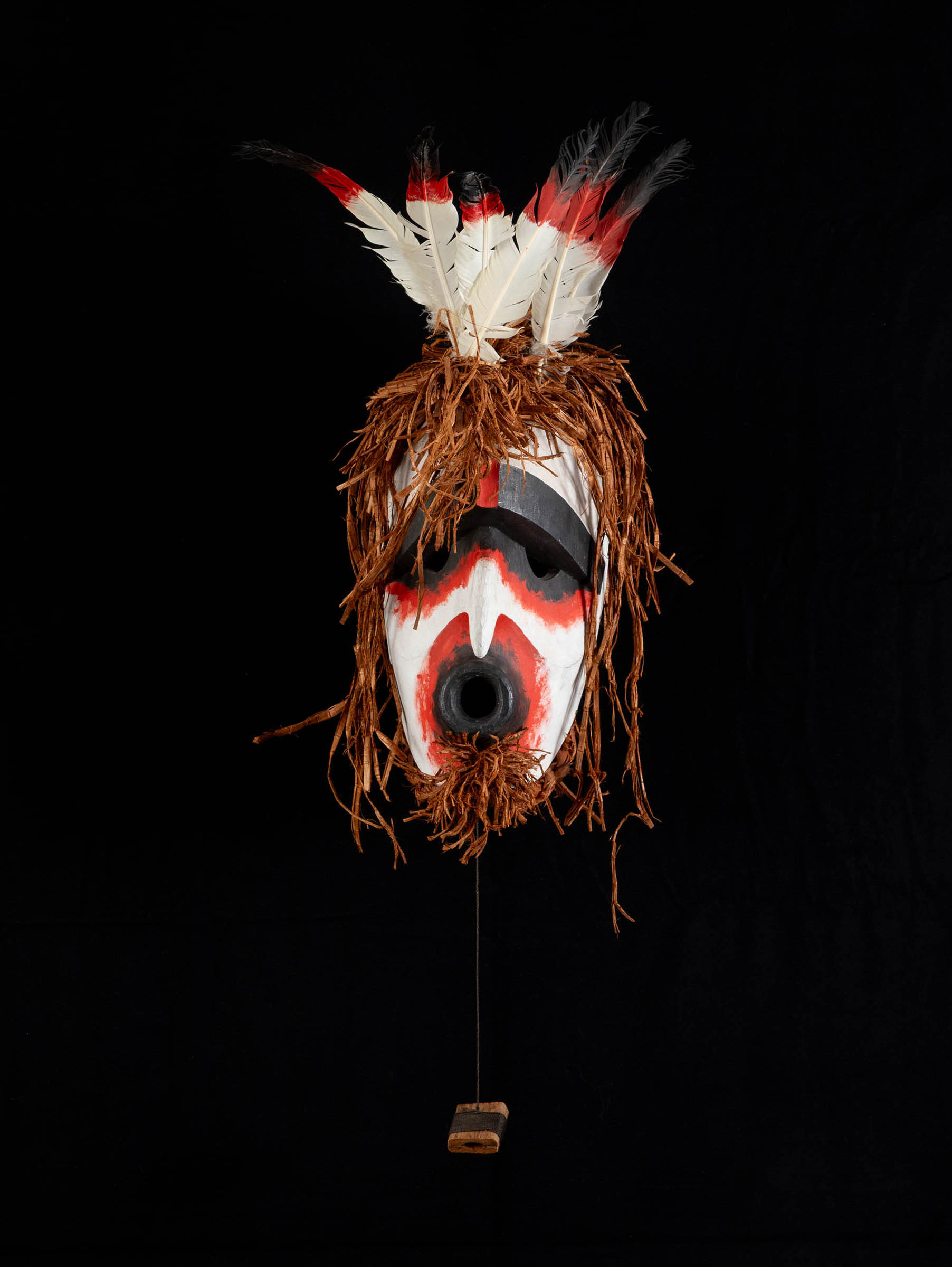
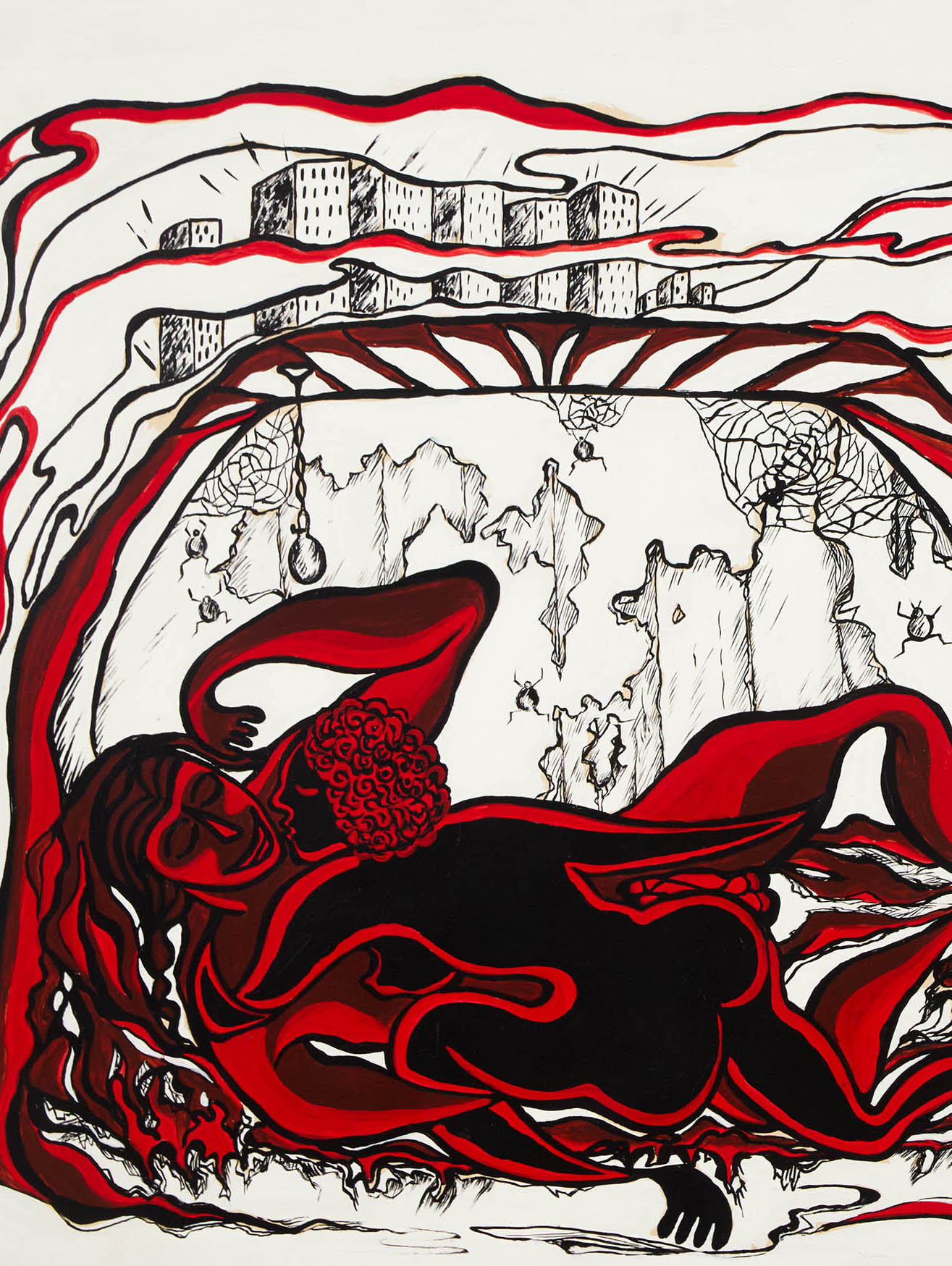
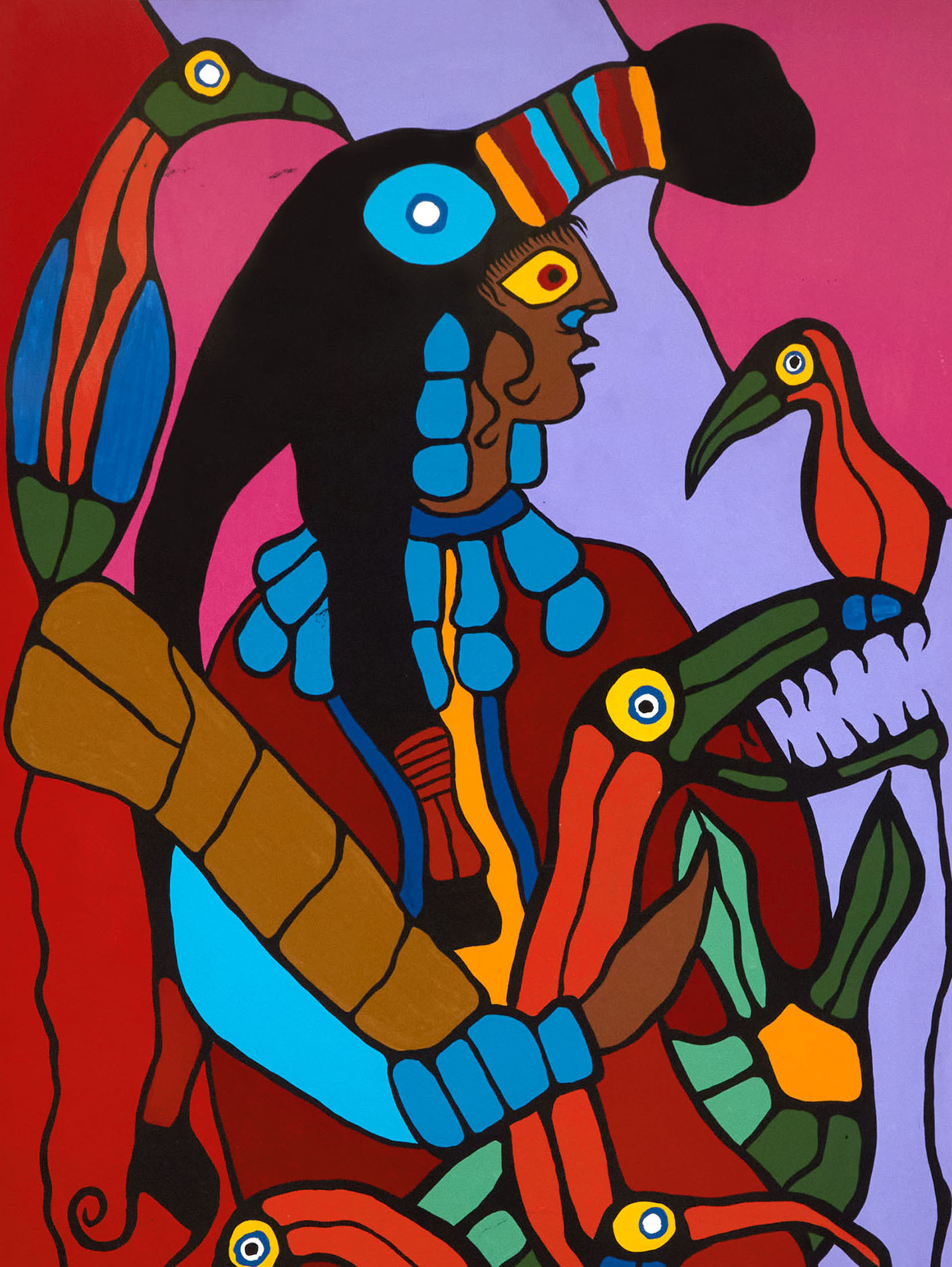
Featuring artworks from the pioneering collection of Dr. Norman Epstein alongside selections from the Lavrov-Costakis collection of historical art, highlights from our Major Spring Auction of Inuit Art include significant works by Karoo Ashevak, Pauta Saila, Augustin Anaittuq, Nuna Parr, Tudlik, Kenojuak Ashevak, David Ruben Piqtoukun, John Tiktak, Davie Atchealak, Pierre Karlik, and other notable artists, as well an important collection of ancient Arctic ivories.
Wednesday, May 20 from 10:00 am to 5:00 pm
Thursday, May 21 from 10:00 am to 7:00 pm
Friday, May 22 from 10:00 am to 5:00 pm
Saturday, May 23 from 12:00 pm to 4:00 pm
Sunday, May 24 from 12:00 pm to 4:00 pm
Monday, May 25 from 10:00 am to 5:00 pm
Tuesday, May 26 from 10:00 am to 5:00 pm
Wednesday, May 27 from 10:00 am to 5:00 pm
Palmer has a diverse background working with collectors and galleries in the areas of historic North American Indigenous art, including First Nations, Inuit, and Métis art, as well as Oceanic and African historic Indigenous arts. He is highly regarded for his research and documentation skills and has written for publications such as the Native American Art Magazine. Palmer has a BA in Fine Arts from OCAD University in Toronto.
To access this feature, you need to be signed up for a Waddington's online account. Please enter the username and password you registered with below to proceed.