


Lot 1
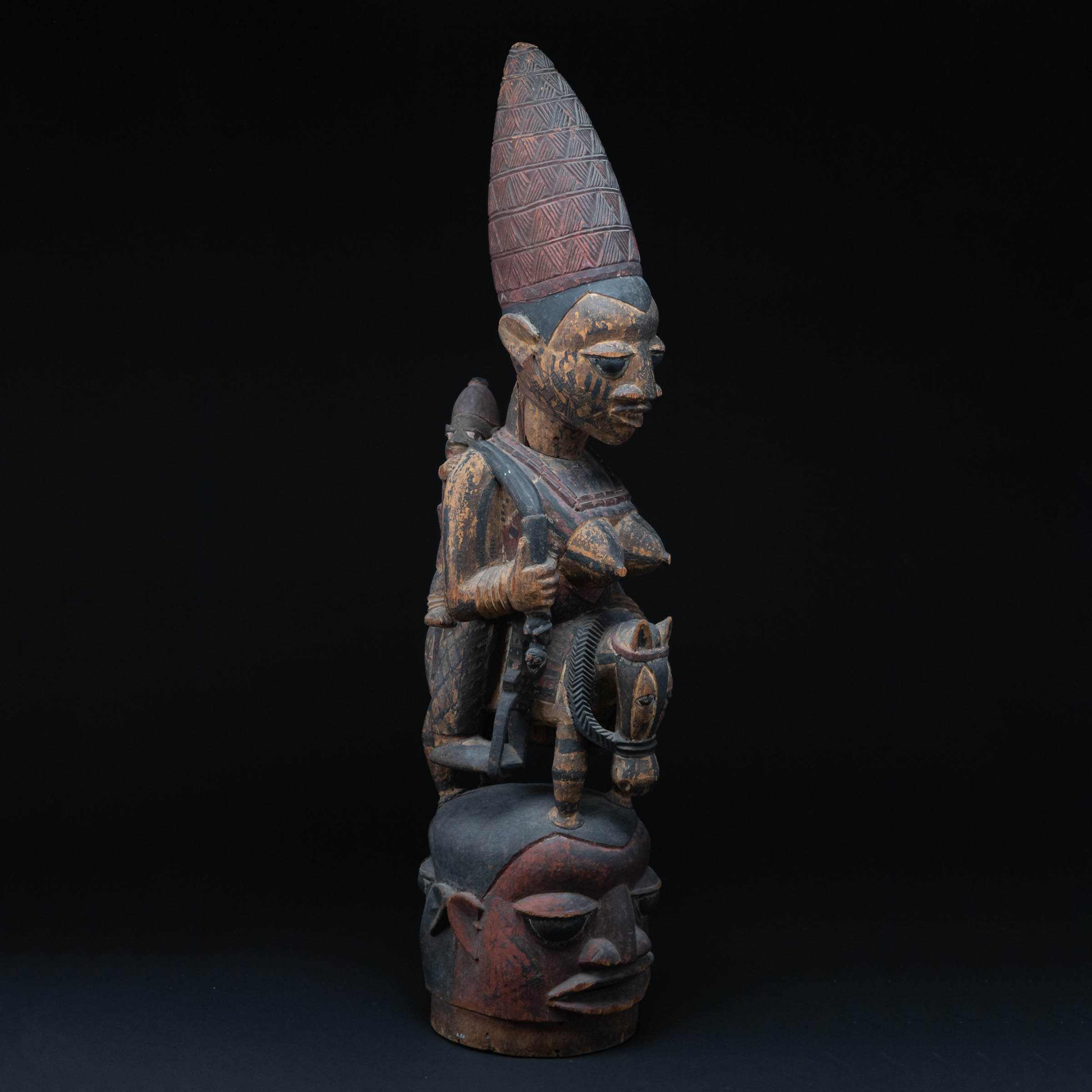
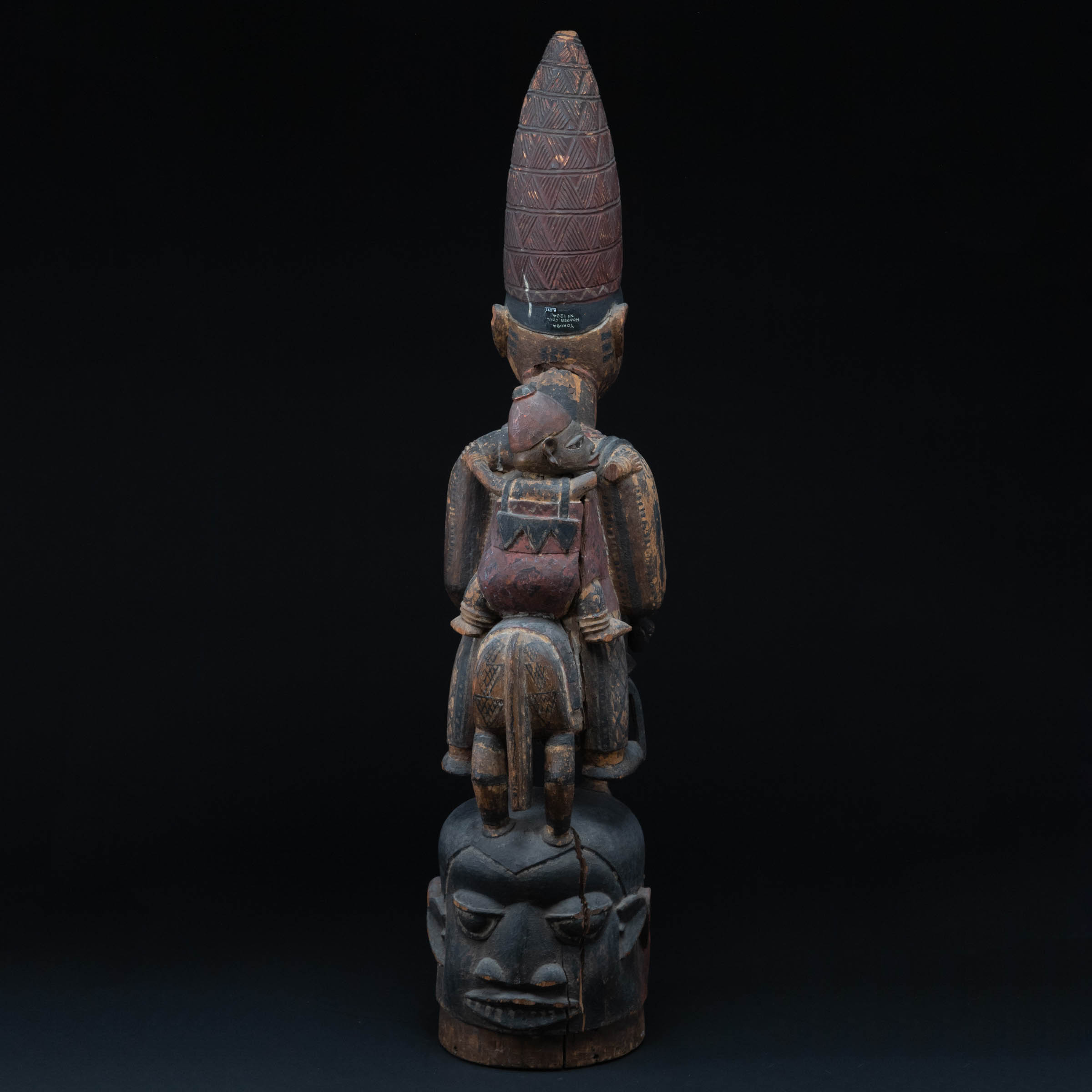
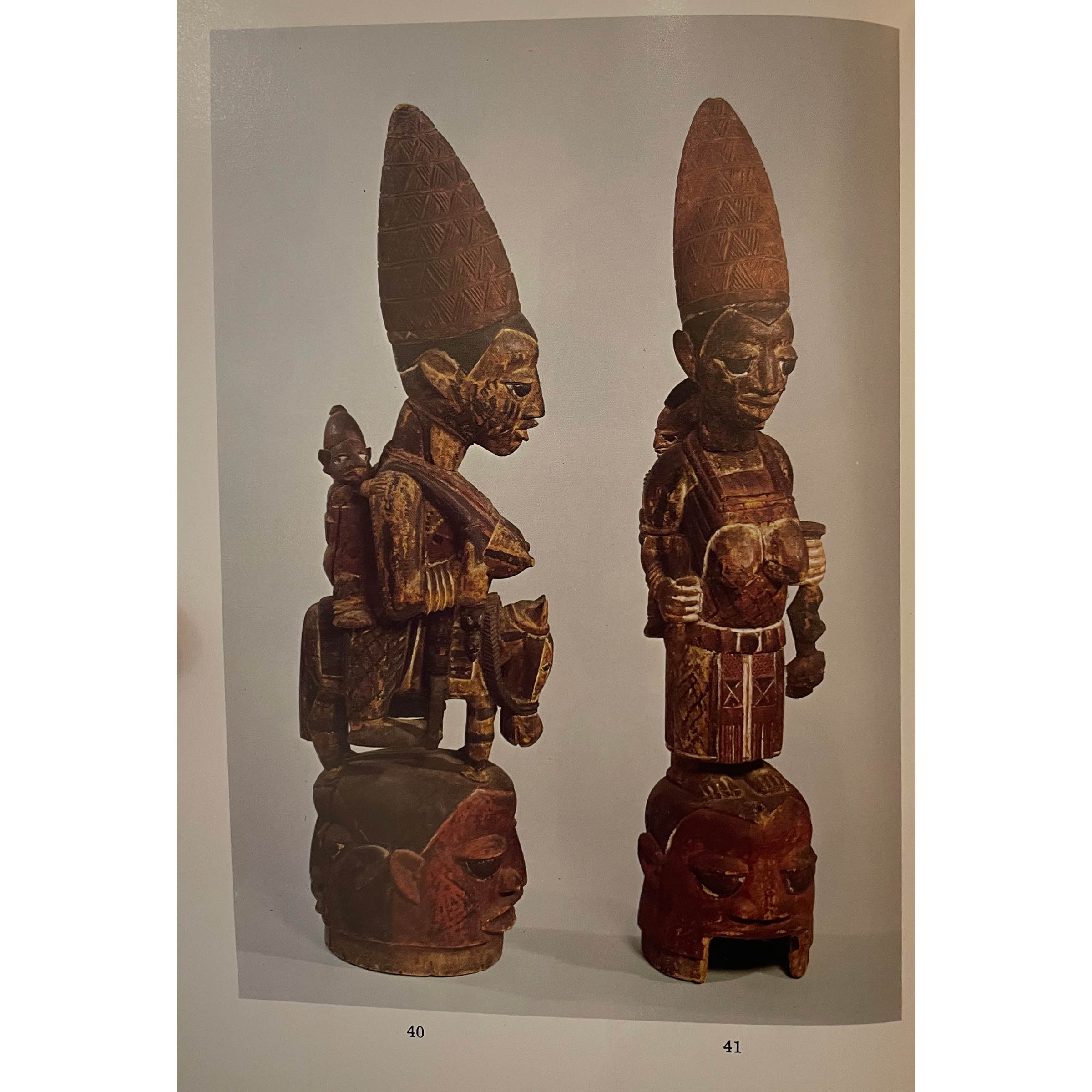
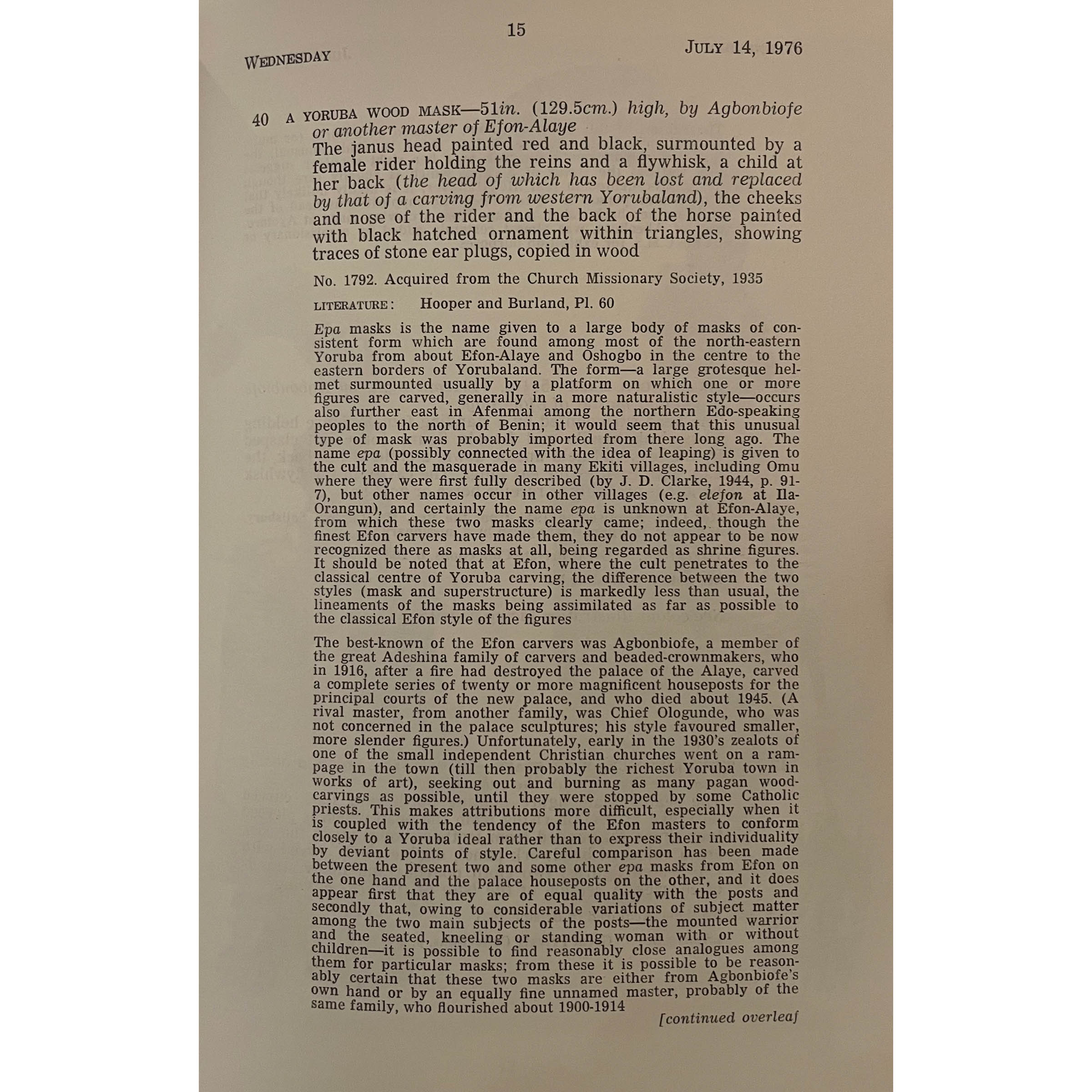
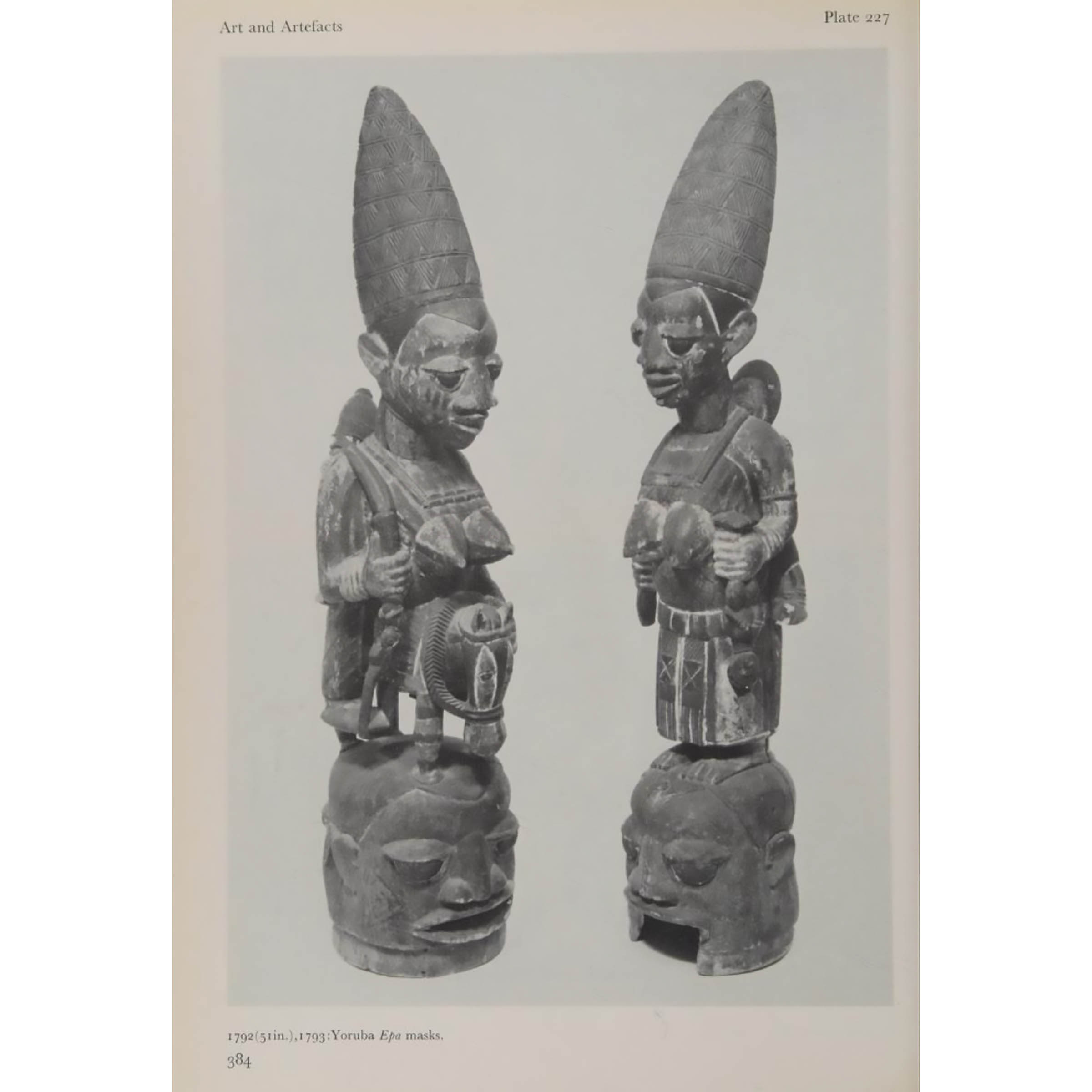
Yoruba Epa Helmet Mask by Agbonbiofe or another master carver of Efon-Alaye, Nigeria, West Africa, 19th/early 20th century
Lot 1 Details
Yoruba Epa Helmet Mask by Agbonbiofe or another master carver of Efon-Alaye, Nigeria, West Africa, 19th/early 20th century
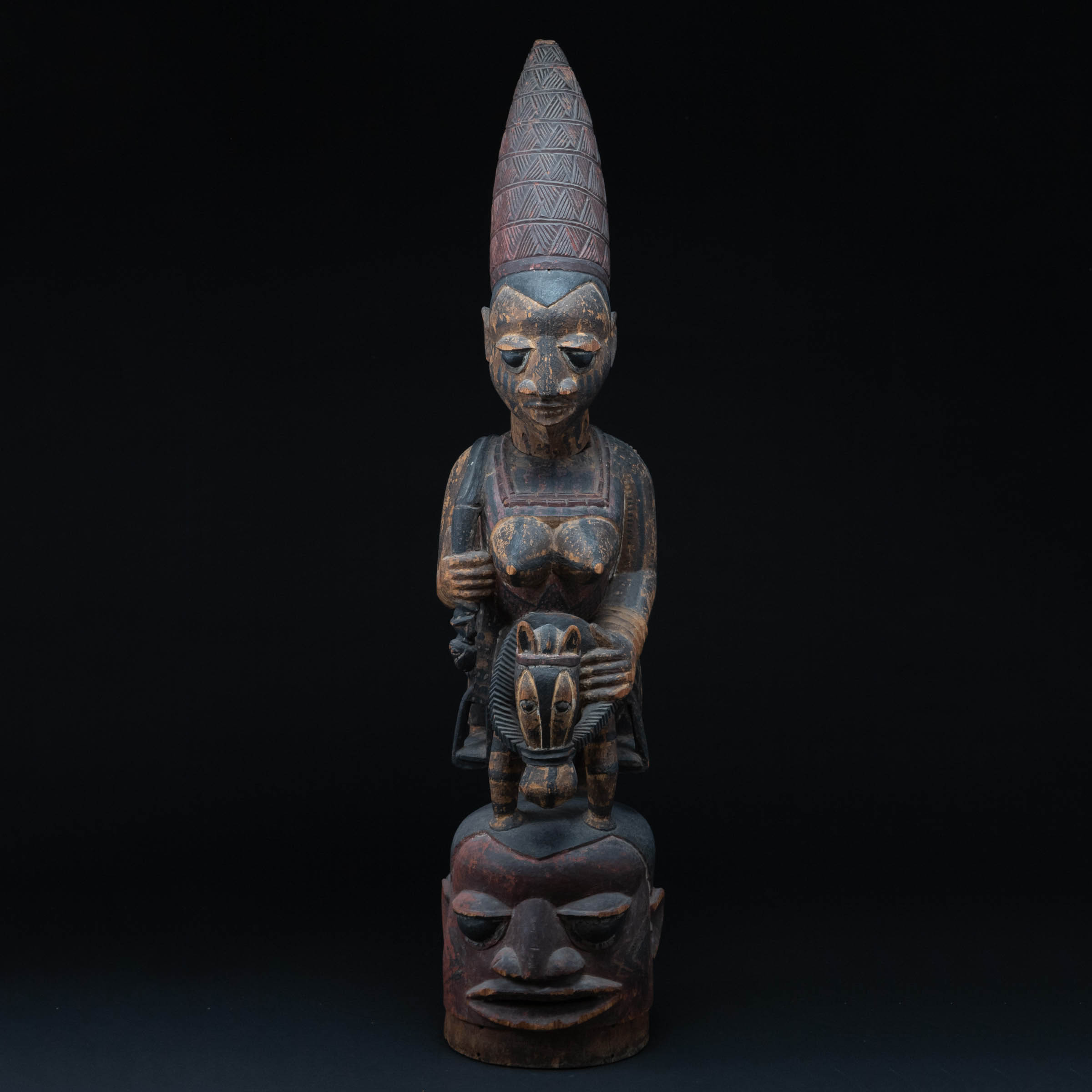
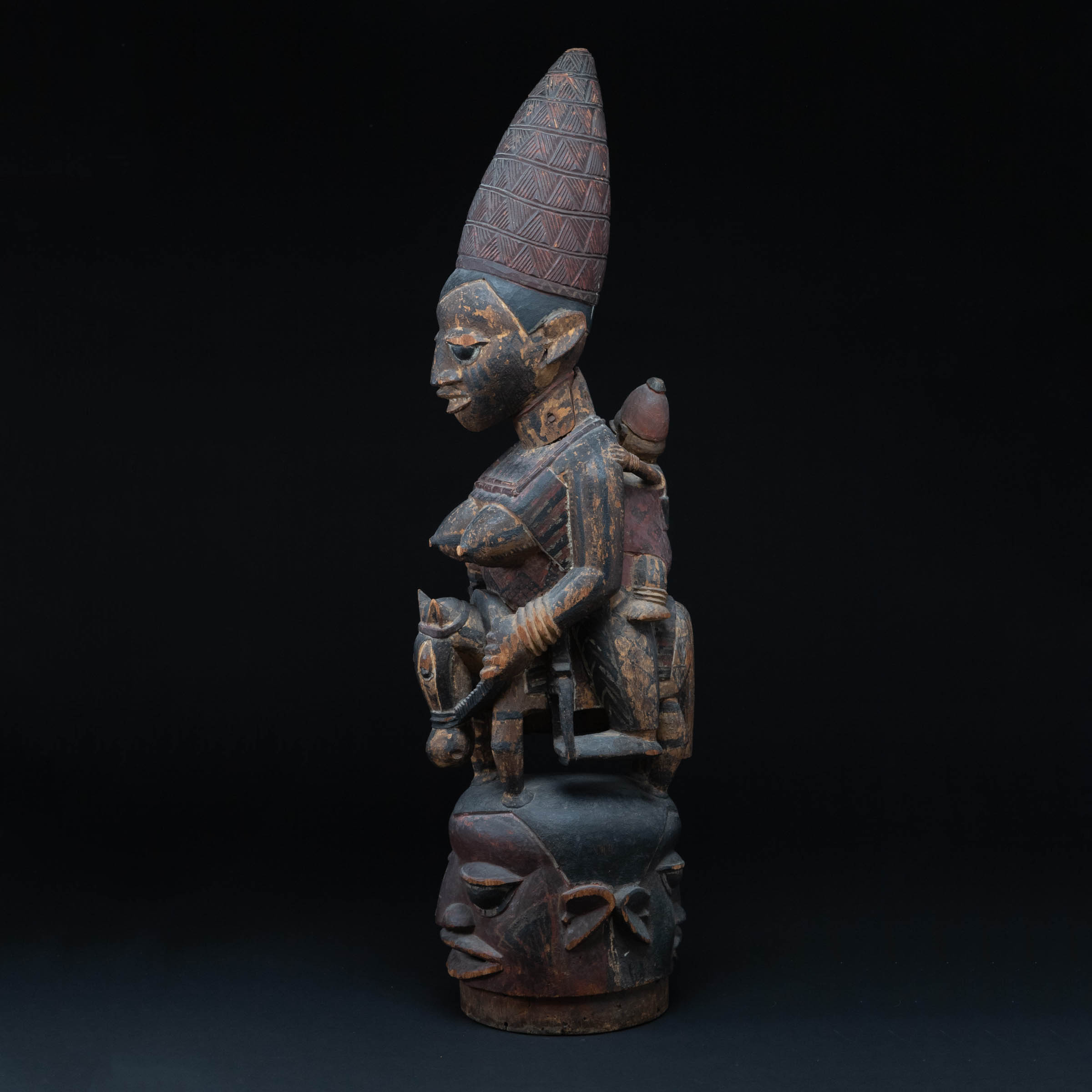
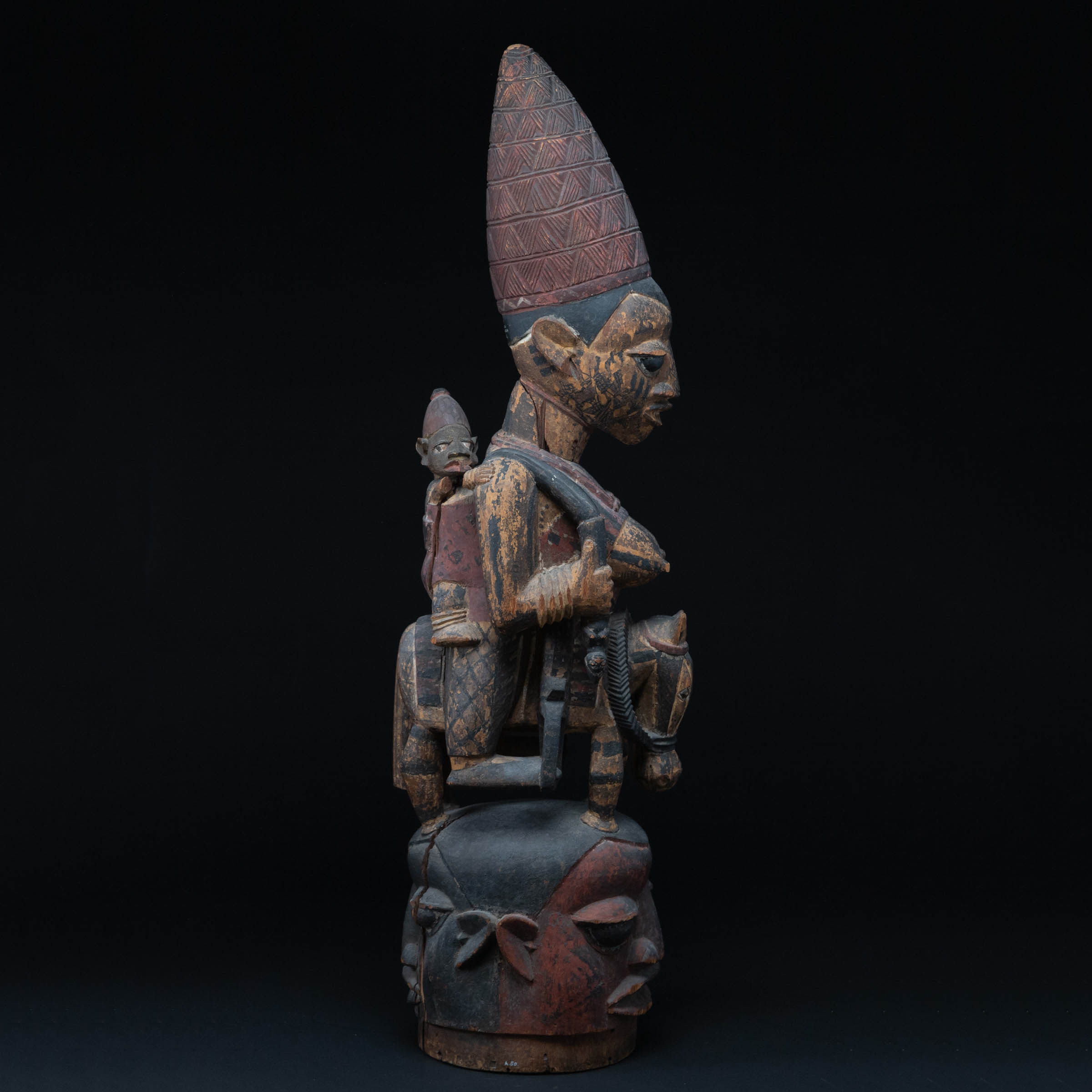
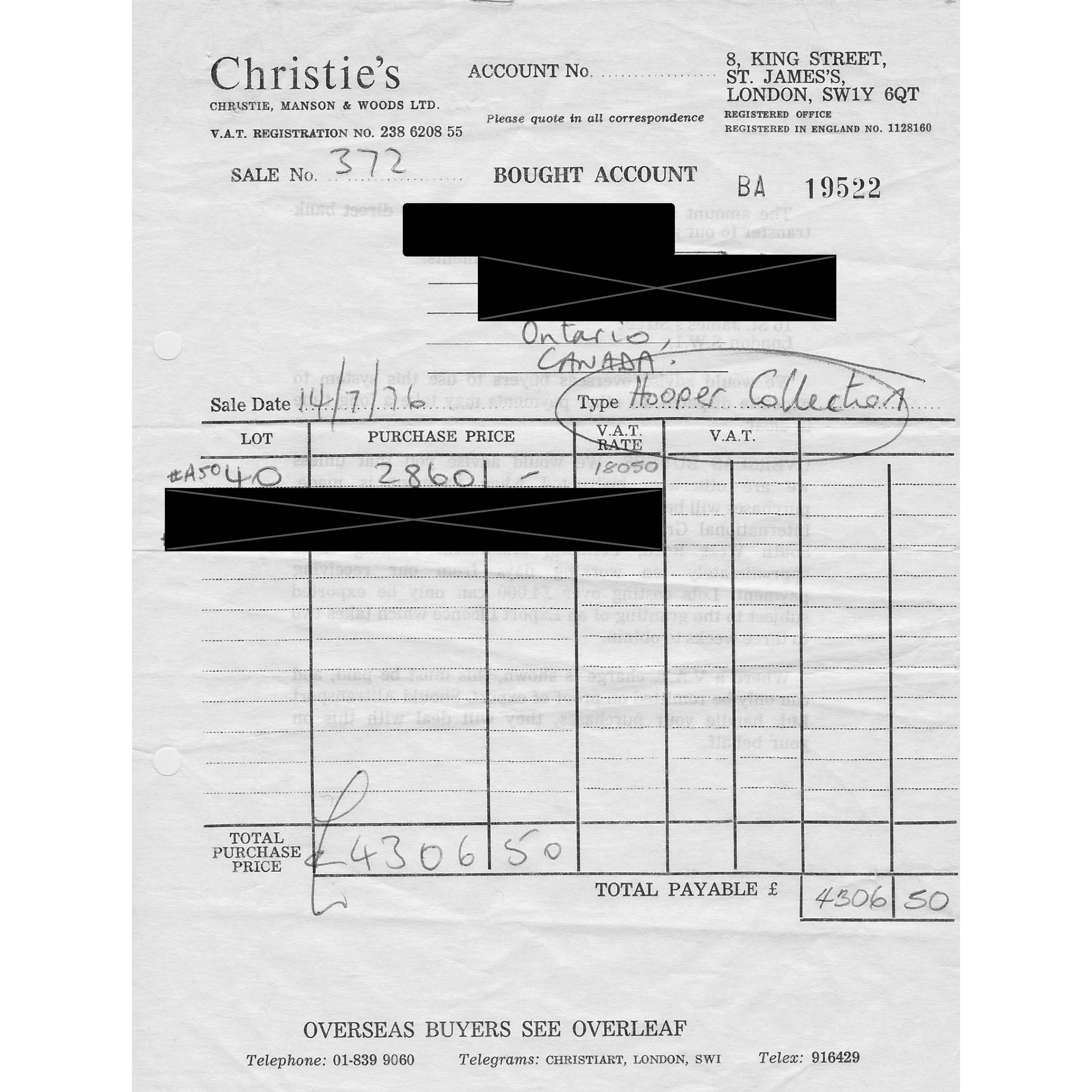
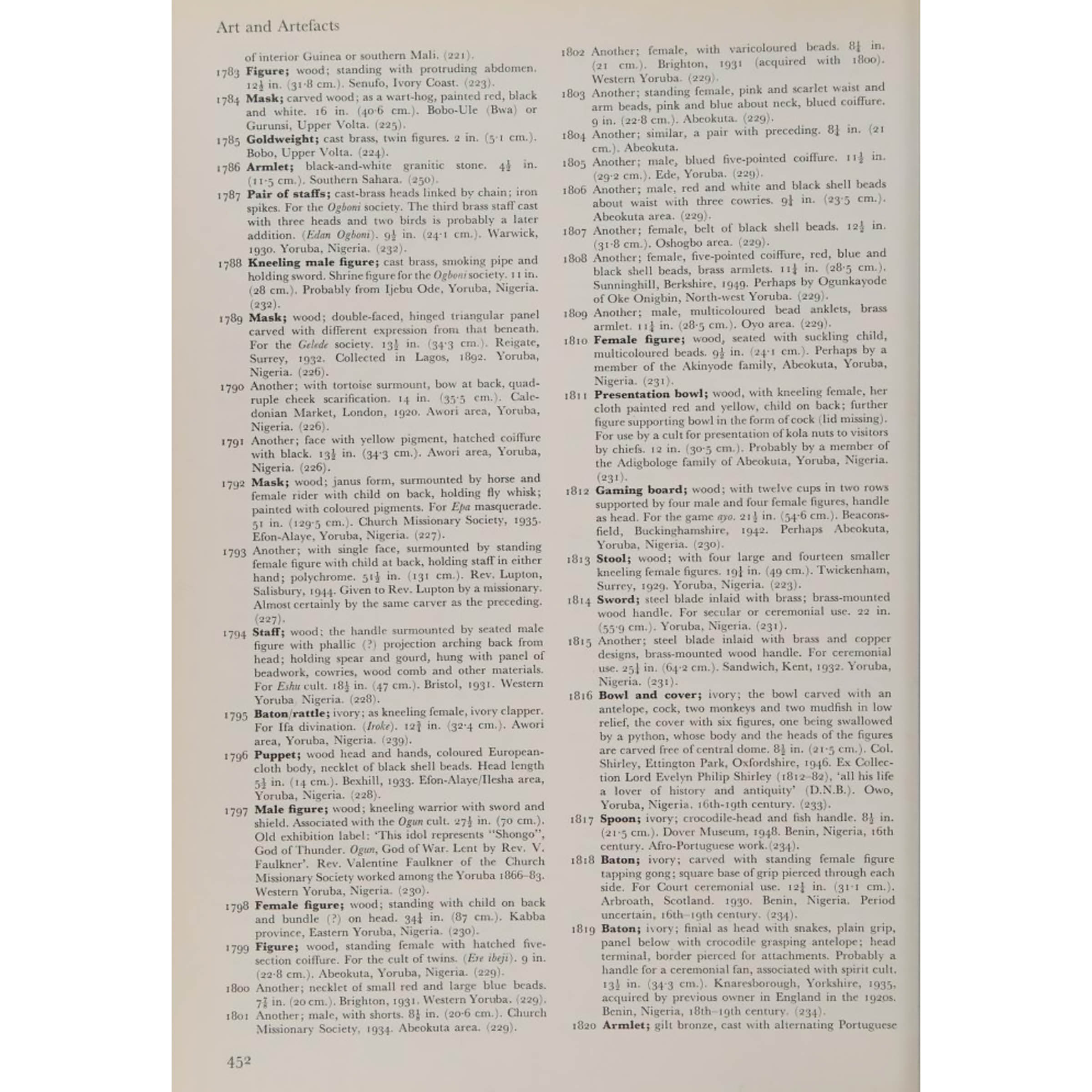
carved wood with applied natural pigments, depicting a mother and child atop a horse holding a figural fly whisk in one hand and reins in the other, includes a later acrylic cylindrical stand; accompanied by a copy of the purchase receipt
51 x 12 in — 15 x 30.5 cm
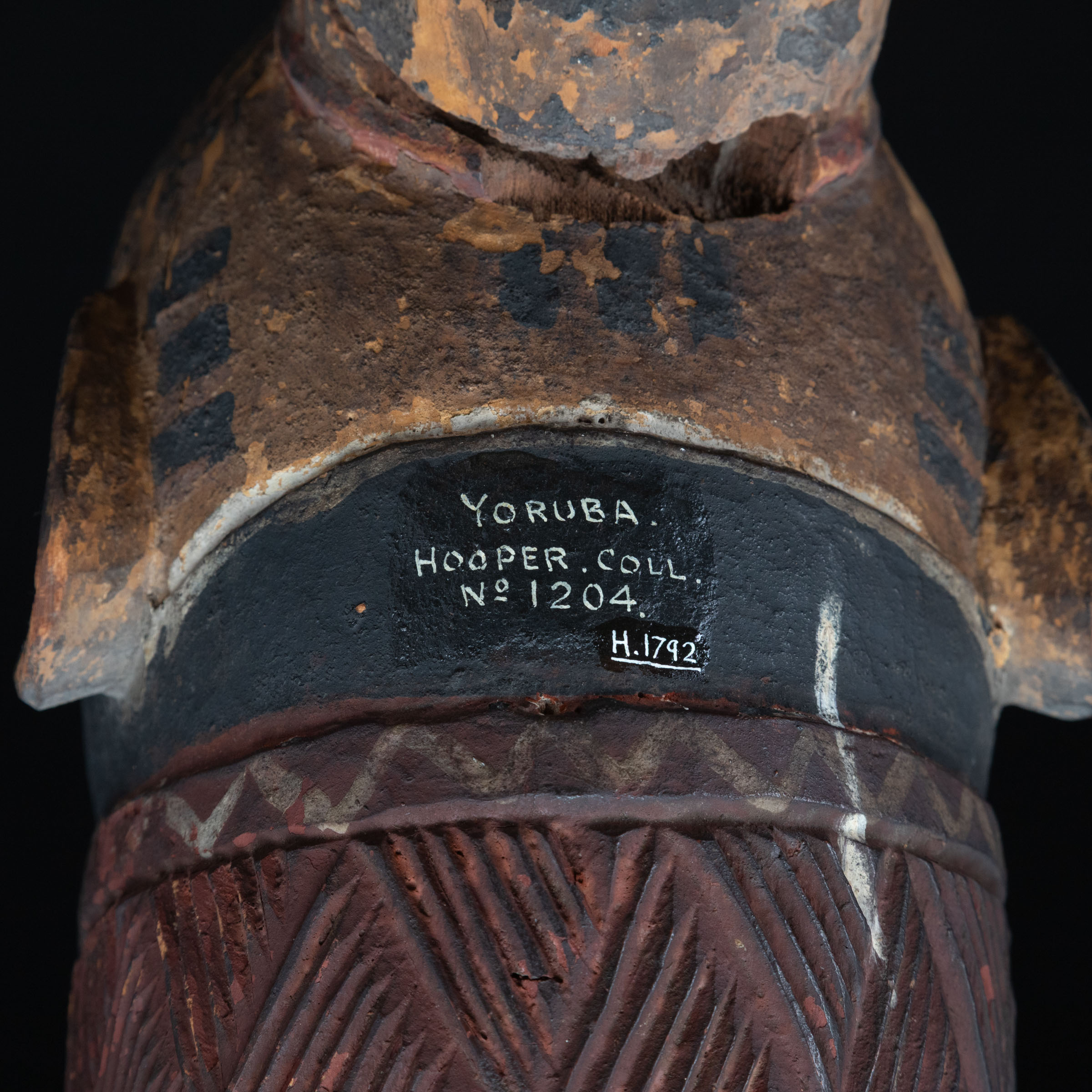
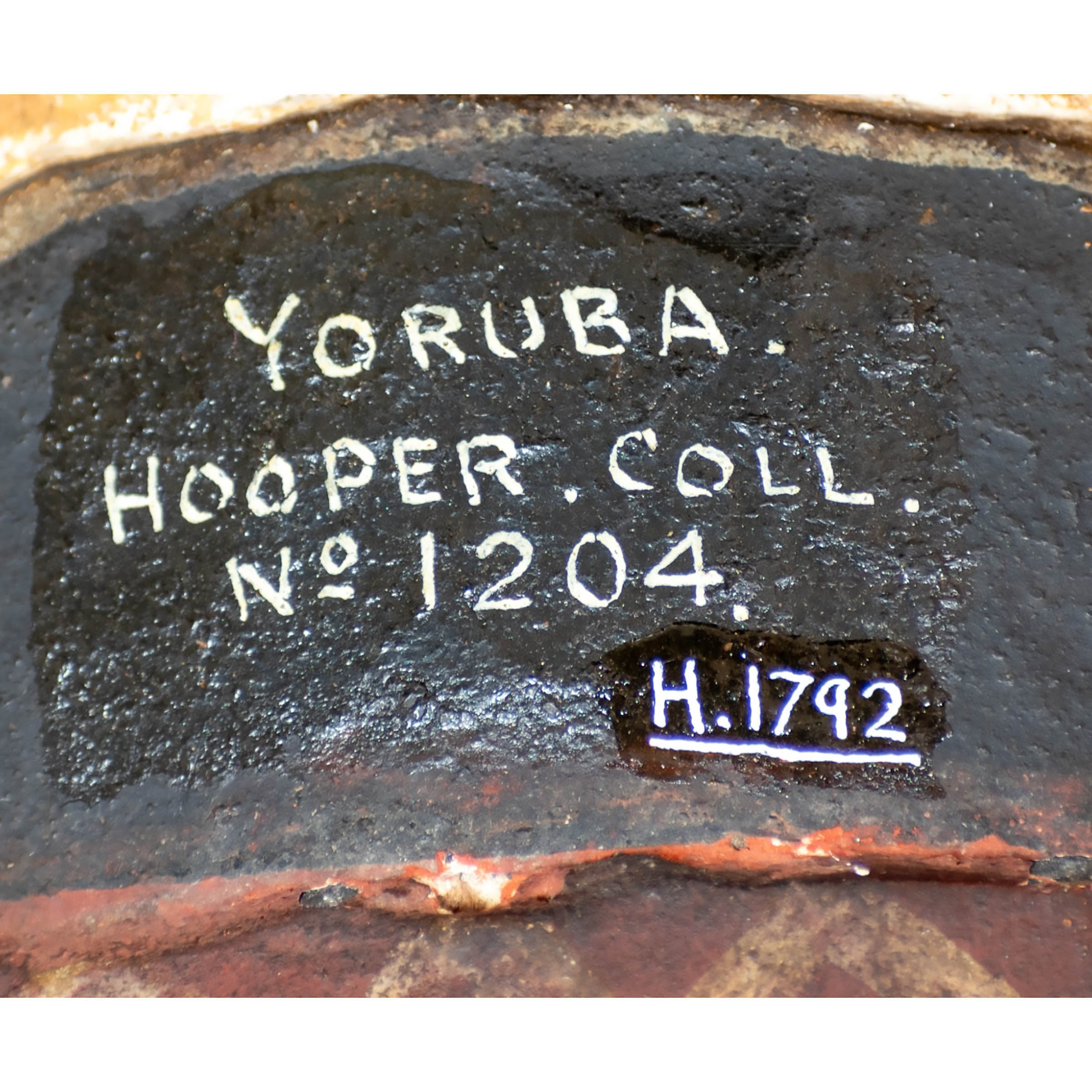
Marked in white ink to the back of the main figures head Hooper Coll. No. 1204, H.1792 and A.50.
Estimate $30,000-$50,000
Additional Images
Provenance:
Church Missionary Society, 1935
James Thomas Hooper, Arundel, UK
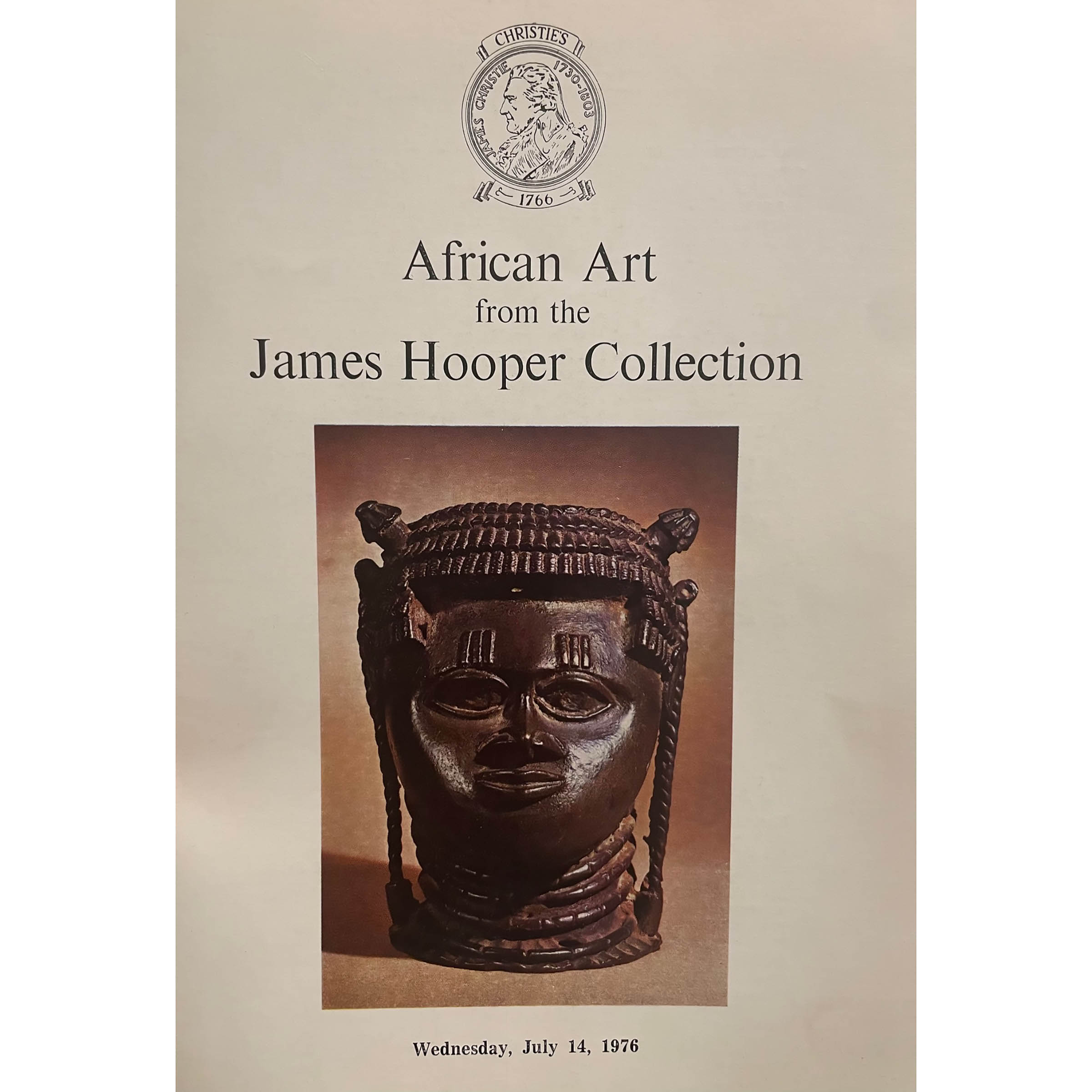
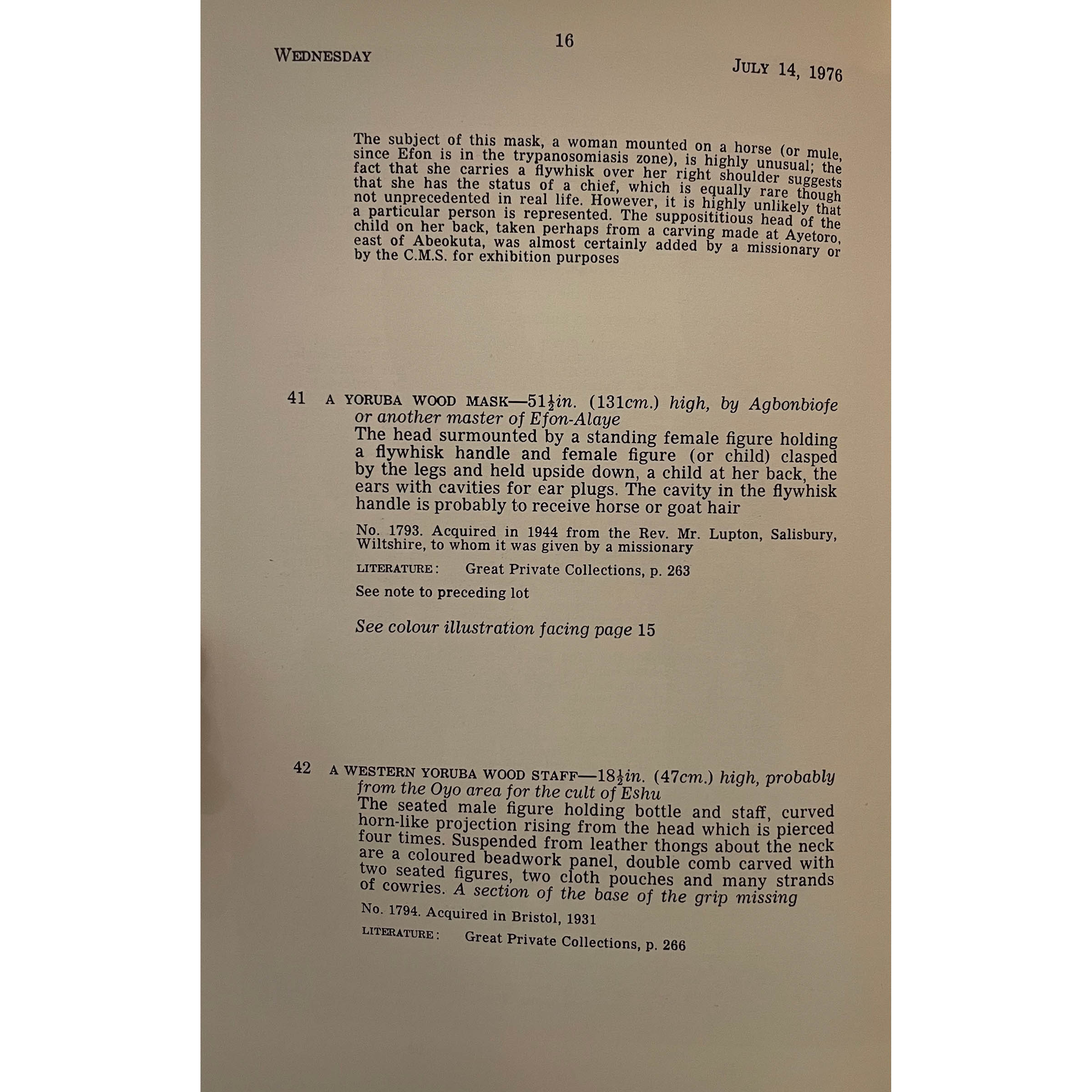
Christie, Manson & Woods Ltd., London, "African Art from the James Hooper Collection", July 14, 1976, Lot 40
Literature:
James Thomas Hooper and Cottie A. Burland, "The Art of Primitive Peoples", London, 1953, plate 60;
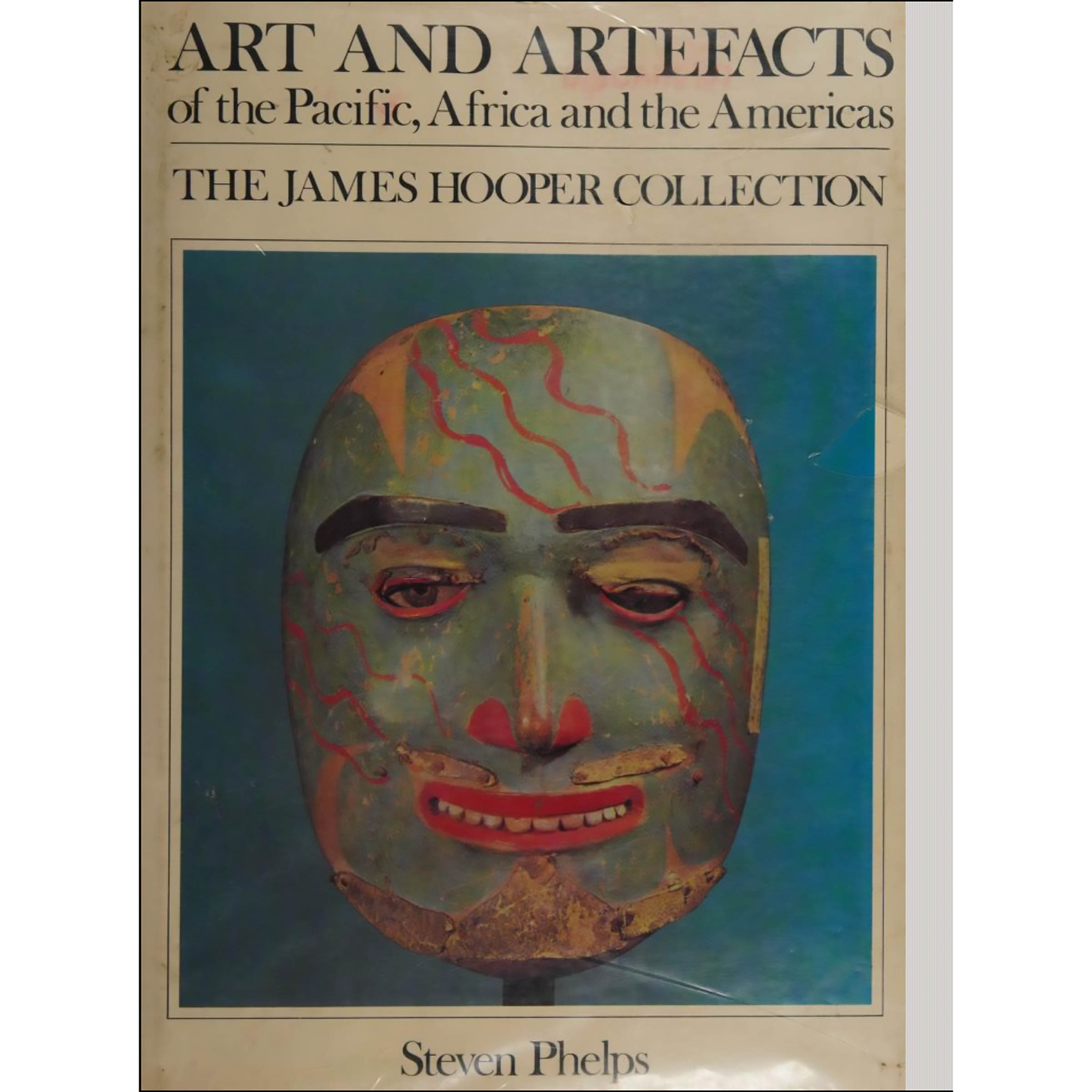
Steven Phelps, "Art and Artifacts of the Pacific, Africa and the Americas: The James Hooper Collection", London, 1976, p. 384, plate 227, no. 1792;
William Buller Fagg, John Pemberton III, and Bryce Holcombe, "Yoruba: Sculpture of West Africa", New York, 1982, p. 42, fig. 46;
Marie-Louise Bastin, "Introduction aux Arts de l'Afrique Noire", Arnouville, 1984, p. 192, fig. 176;
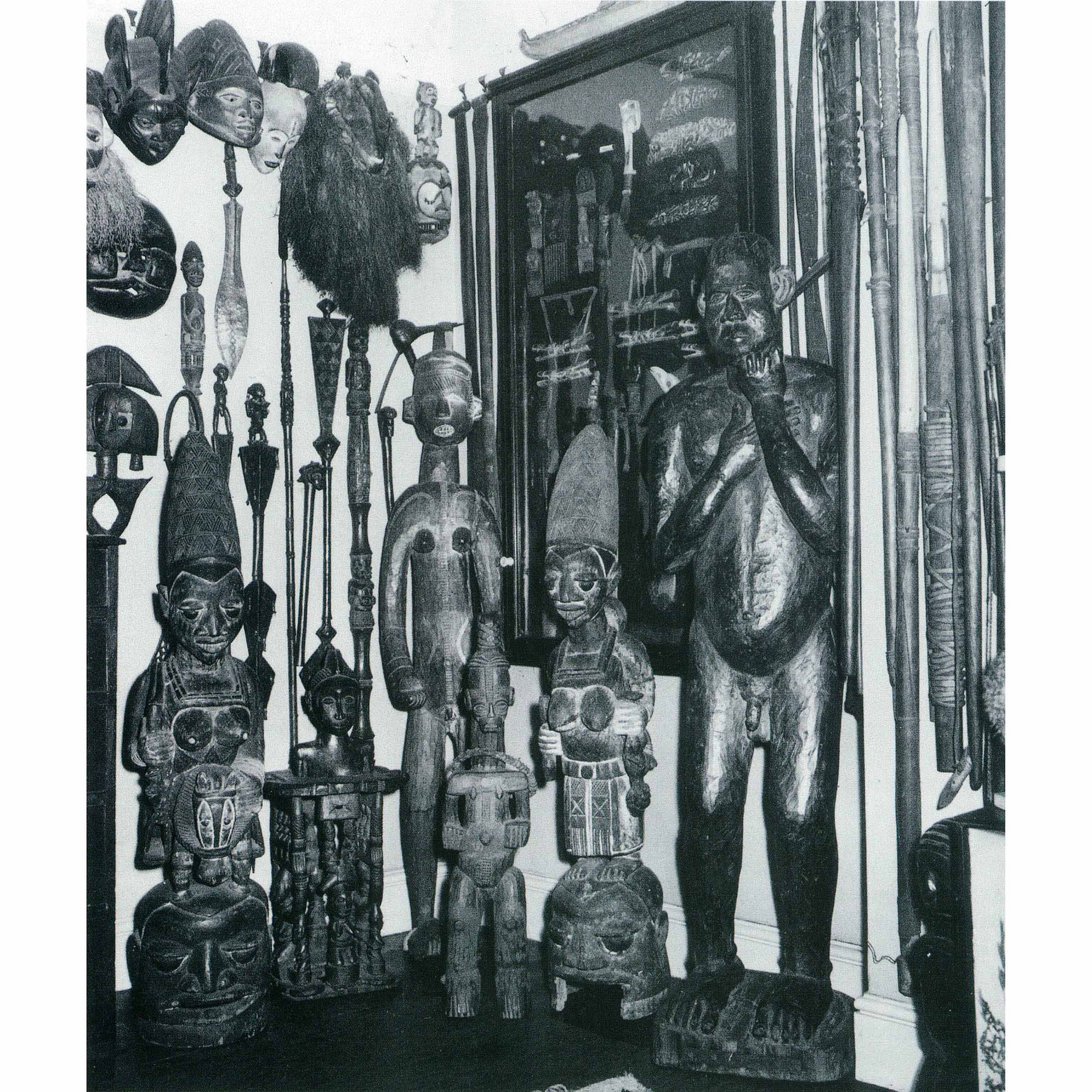
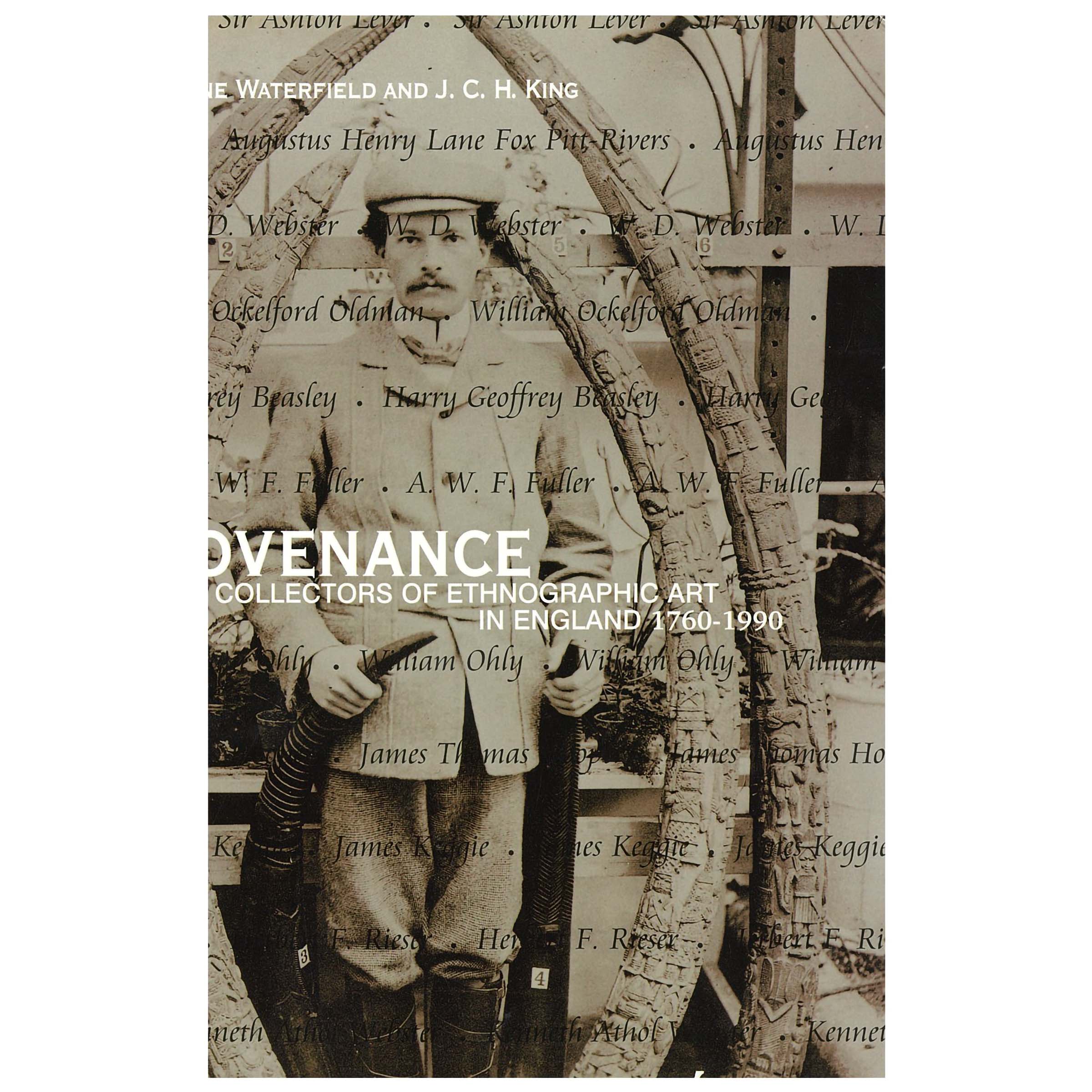
Hermione Waterfield and J.C.H. King, "Provenance: Twelve collectors of ethnographic art in England 1760-1990", London, 2009, p. 114 (photo of Hooper's house in Croxley Green, October 1954)
Note:
A well documented and important Yoruba Epa Helmet, the present example has been attributed to the master carver Agbonbiofe (d. 1945), or another master of Efon-Alaye.[1] It is perhaps among the best known and most widely published examples of its type, and has been cited as a benchmark of the quality of the Adeshina workshop, of which Agbonbiofe was a member, as well as of the artist’s personal style.[2]
As elsewhere in the sculpture of Agbonbiofe, the master’s work is characterized by the elaborate and finely executed rendering of the figure’s headdress, the notched rendering of ornament at the chest, distinctive ring beneath the jawline of the figure, the diamond-shaped pointed mouth, and heavy hooded eyes.
Provenance
The present work comes from the collection of the legendary collector of world indigenous art James Thomas Hooper (1897–1971), and is documented as having been acquired by the collector from a Church Missionary Society in 1935.
His collecting journey began in 1912, when gifted a spear by his father. Working for the Thames Conservancy board gave Hooper the means to begin acquiring works from flea markets, antique shops, auction houses, dealers, and house sales in an era when exceptional pieces could be purchased for modest sums. After retirement, Hooper opened the Totems Museum in Arundel, and authored The Art of Primitive Peoples with Cottie Arthur Burland. Between 1976 and 1982, at least six auctions of Hooper’s collection were required to disperse his extensive holdings.
Several of the strongest African works in the present auction passed through Hooper's hands. Taken together, these works present a small but meaningful cross-section of a collection.
[1] Christie, Manson & Woods Ltd., London, African Art from the James Hooper Collection, July 14, 1976, 15-16.
[2] Sotheby’s, “A fine Yoruba Epa headdress, probably by Agbonbiofe or another master of Efon-Alaye”, The collection of Deborah Stokes Hammer, accessed 19 August 2026, https://www.sothebys.com/en/auctions/ecatalogue/2003/african-oceanic-art-n07942/lot.47.html