


Lot 44
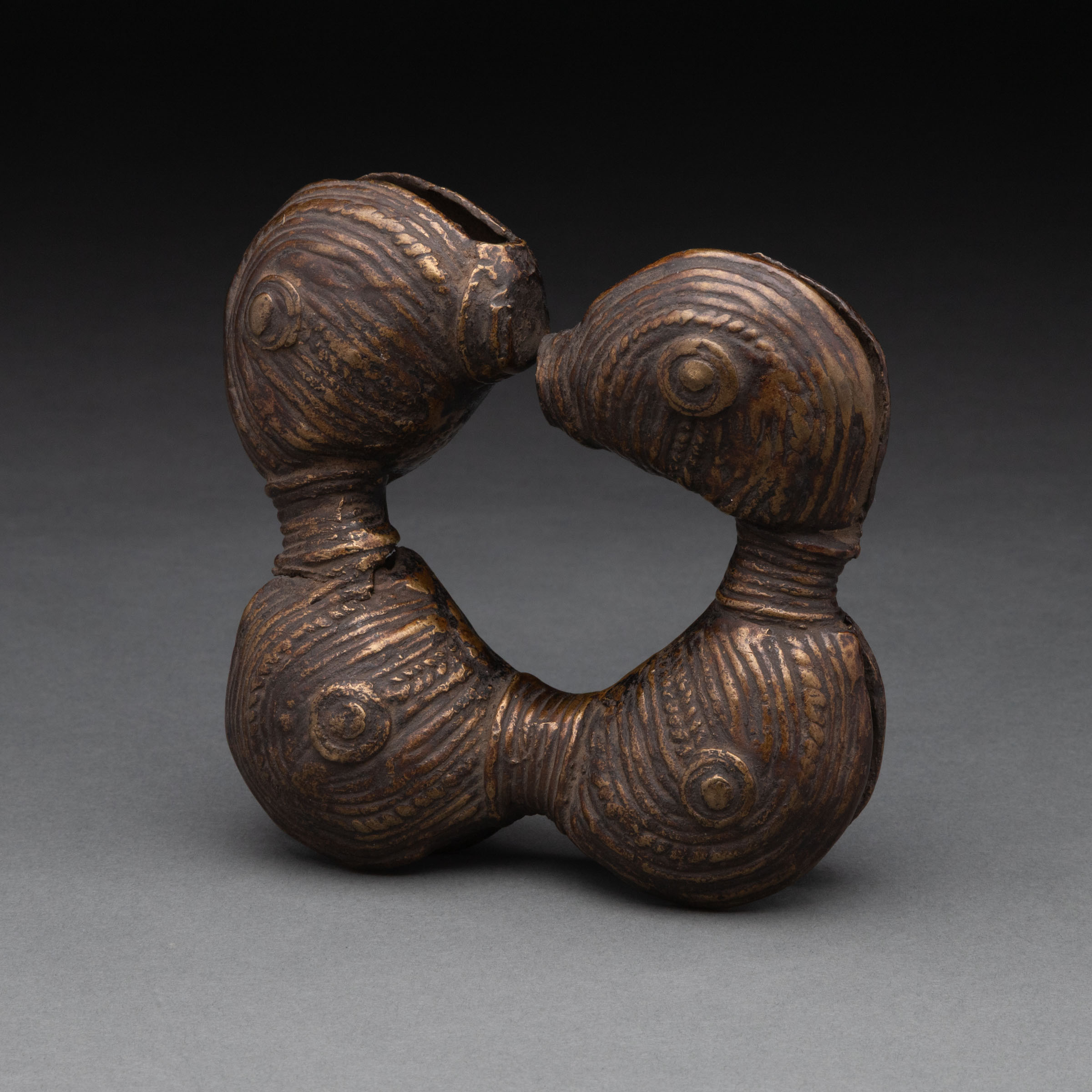
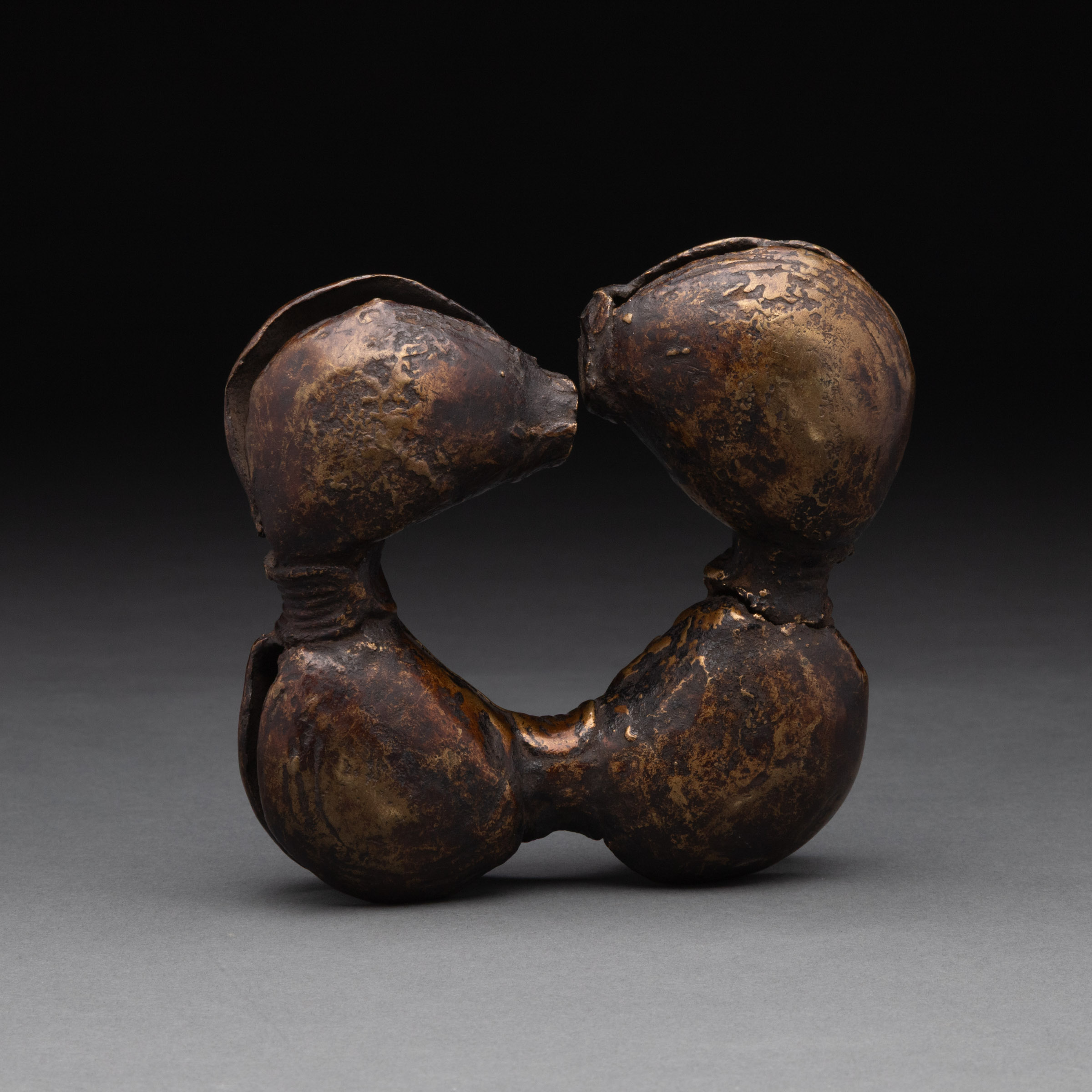
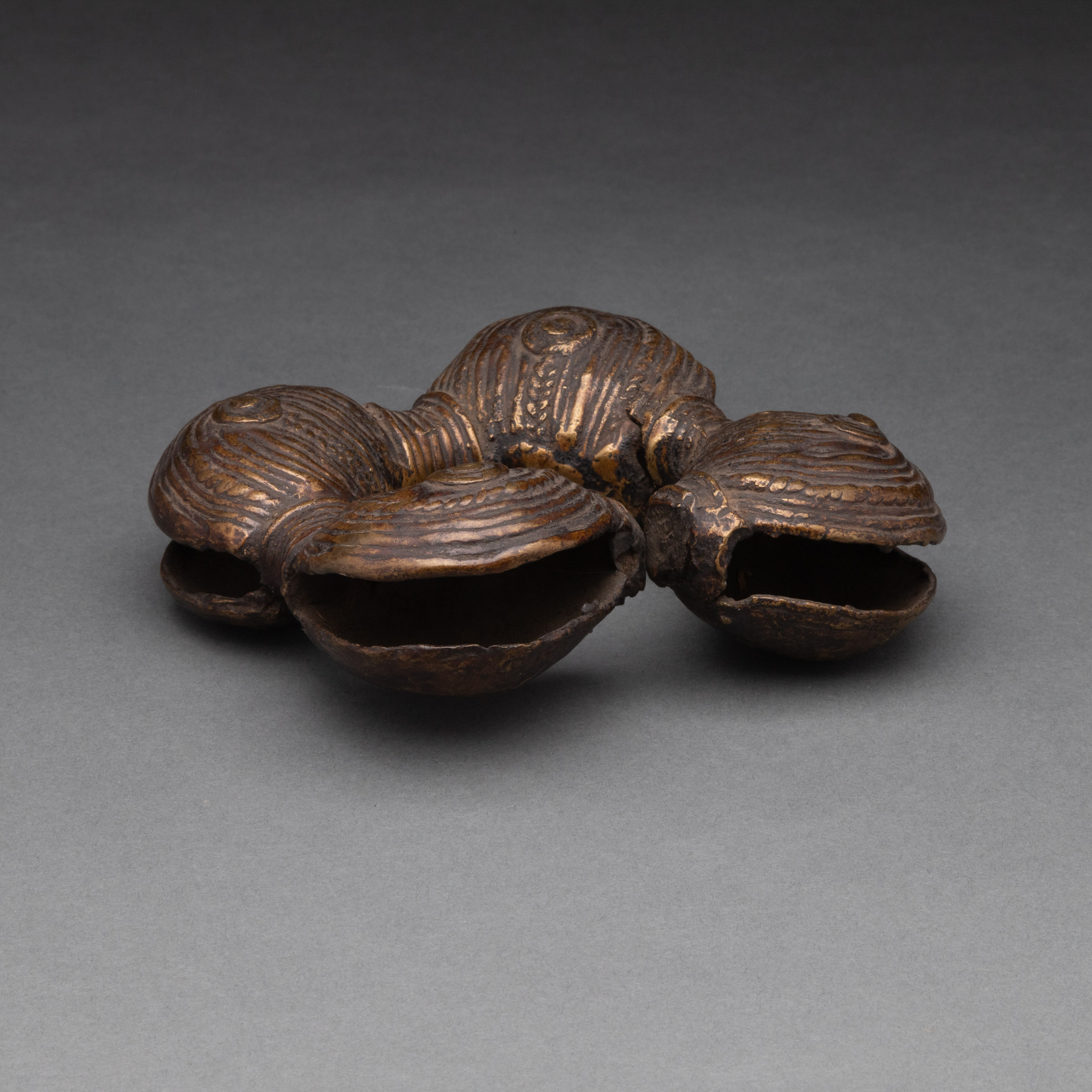
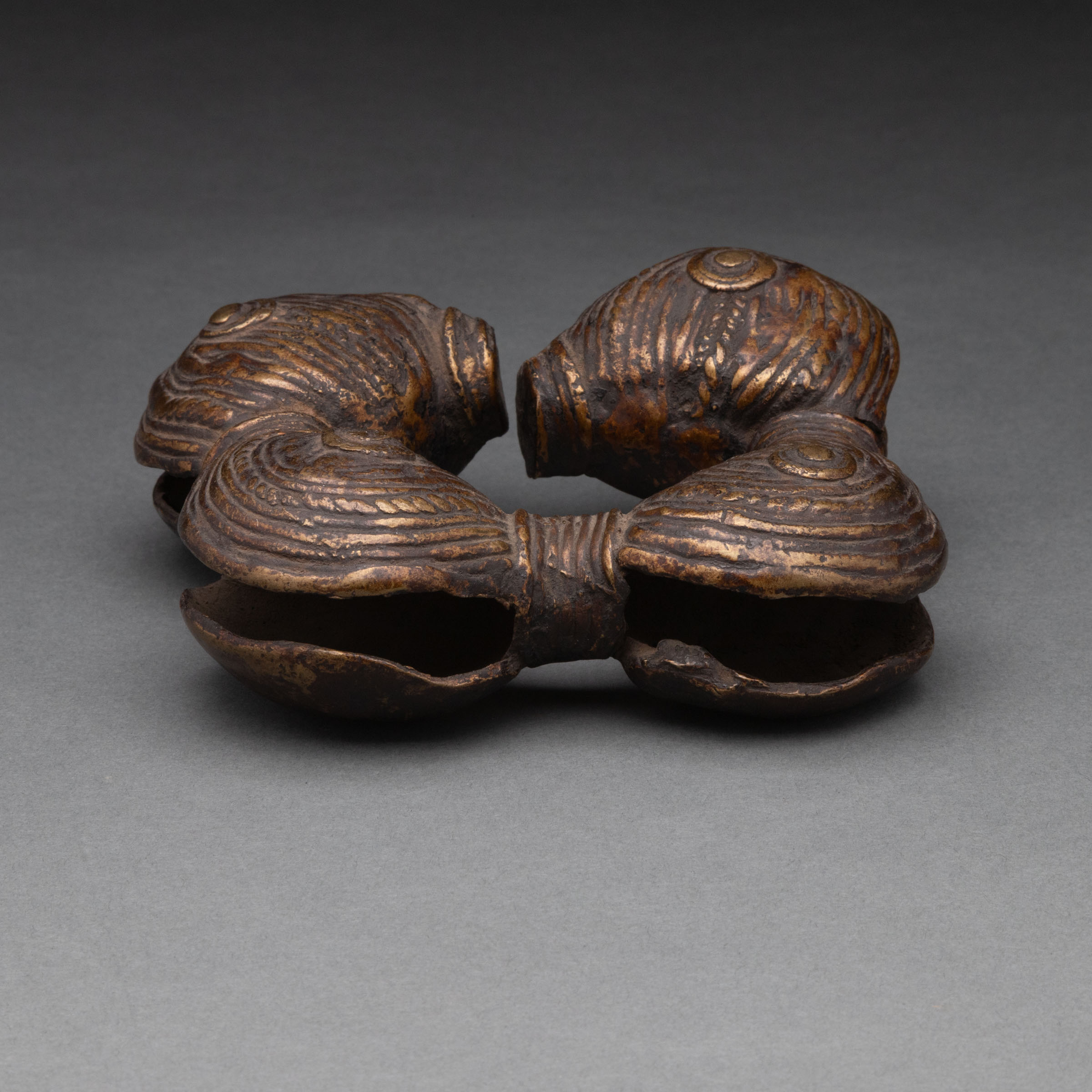
West African Bronze Quatrefoil Bracelet/Anklet, possibly Gurunsi, 19th/early 20th century
Additional Images
Provenance:
Josef Mueller, Solothurn, Switzerland
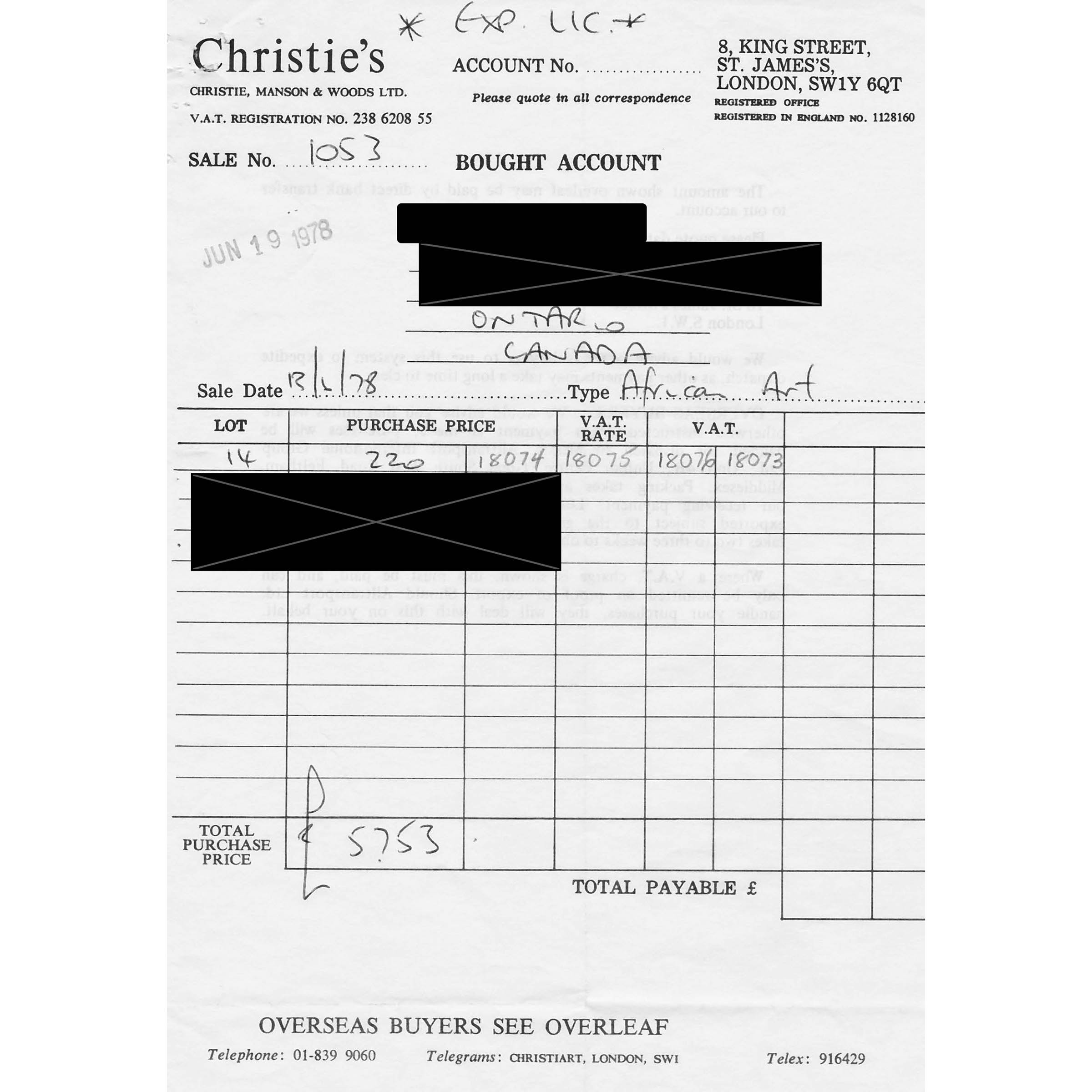
Christie, Manson & Woods Ltd., London, "African Art from the Collection of the late Josef Mueller of Solothurn, Switzerland", June 13, 1978, Lot 14
Note:
The present artwork was previously in the collection of Joseph Mueller (1887–1977). Mueller was a collector keen to follow his own path. He made a name for himself at just 19 years of age when he bought Ferdinand Hodler’s then-controversial painting Die Liebe, which had scandalized Zurich for its stylized depiction of intertwined nude figures.
Remarkably independent of thought, Mueller did not collect in discrete categories, adding African sculpture, masks and other objects to his holdings of work by Cézanne, Kandinsky, Fernand Leger, Renoir and Bonnard. This eclectic collection, in the words of Werner Muensterberger, expressed the “ultimate indivisibility of authentic art.” Indeed, Mueller continued this strategy in their display as well, with photographs of his home showing paintings by Joan Miró hung alongside Bembe masks and clubs from the Marquesas Islands. For him, geography or chronology were less important than the interplay of form and imagination.
Mueller visited Africa but once, travelling along the Ubangi River in 1923. He did not acquire any works on that trip, rather assembling his mighty collection from Parisian dealers, including Ernst Ascher, Charles Ratton, Antony Moris and Pierre Vérité. Post-war, Swiss dealer Emil Storrer became another trusted source. Mueller was meticulous, recording his purchases in small black notebooks, which have provided subsequent generations with a fulsome picture of his collecting practices.