


Lot 31
Edward John (E.J.) Hughes (1913-2007)
Lot 31 Details
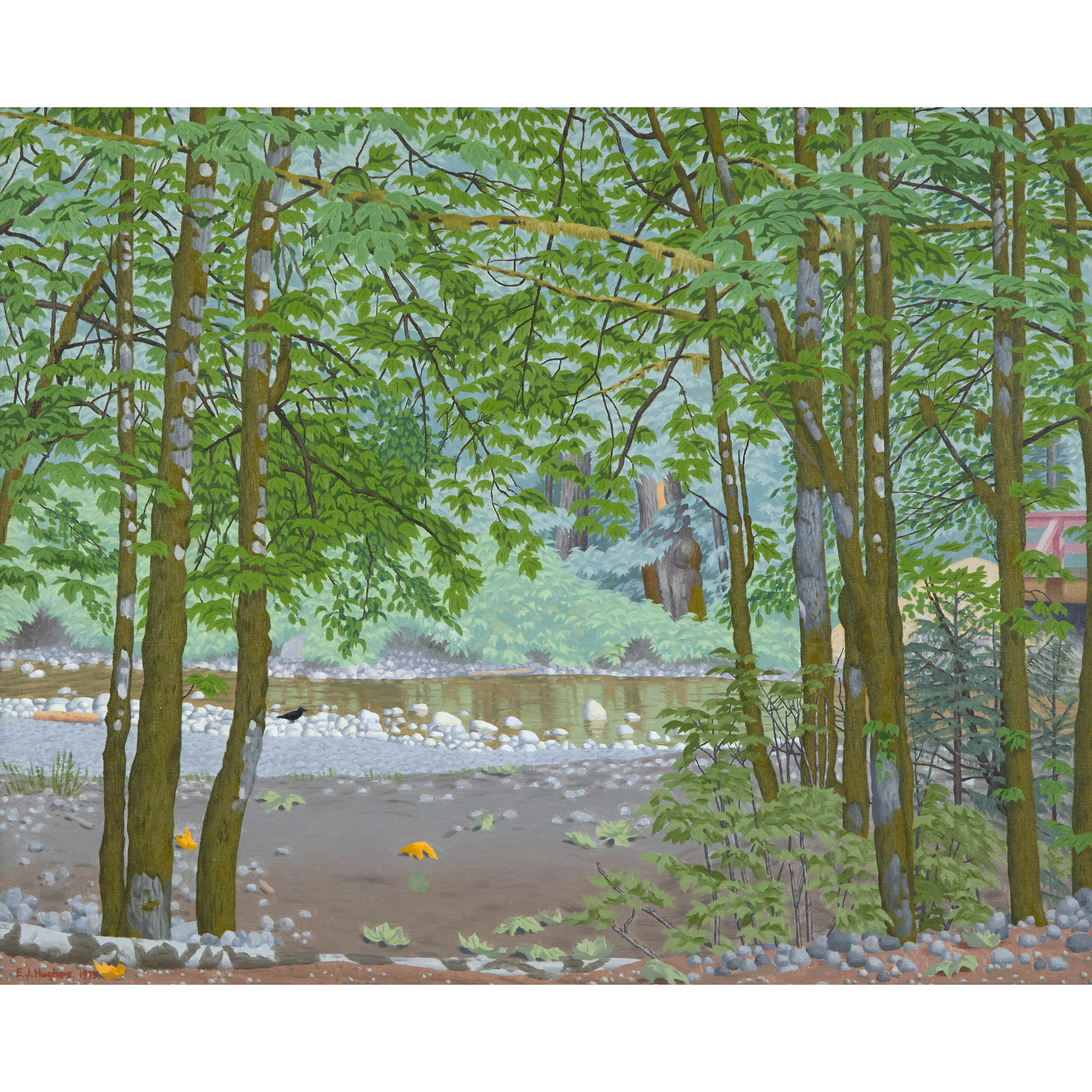
Edward John (E.J.) Hughes (1913-2007), Canadian
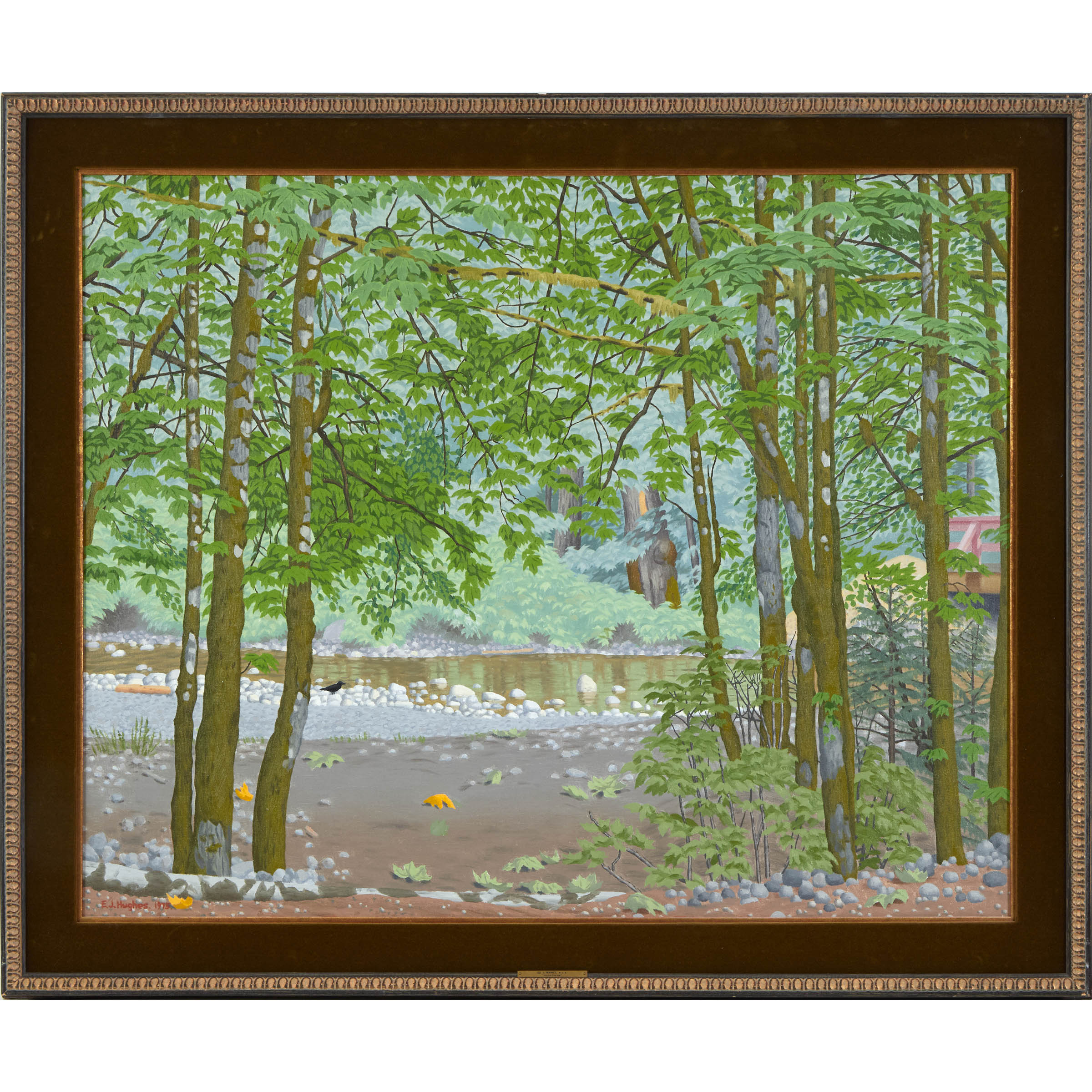
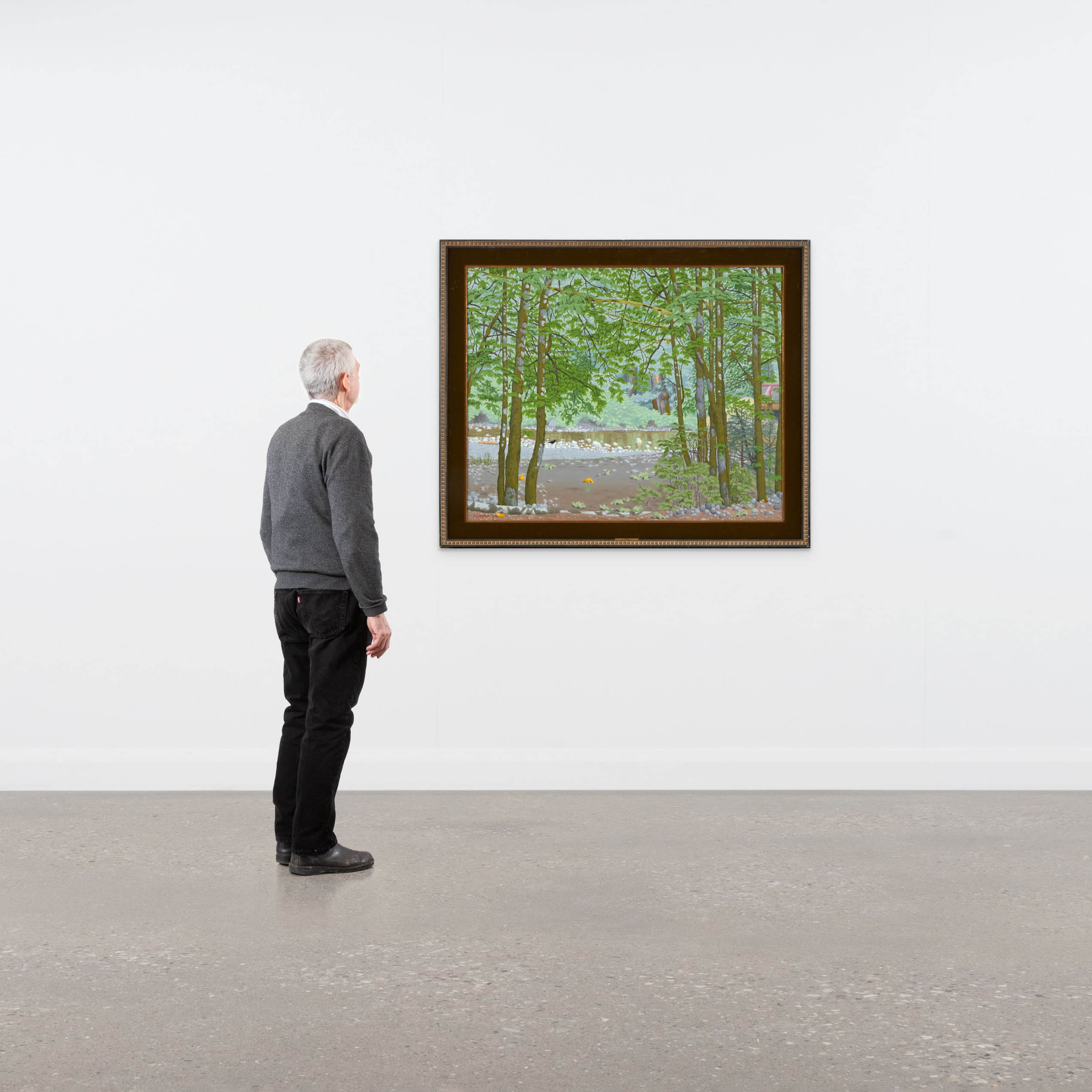
GOLDSTREAM, 1975
oil on canvas
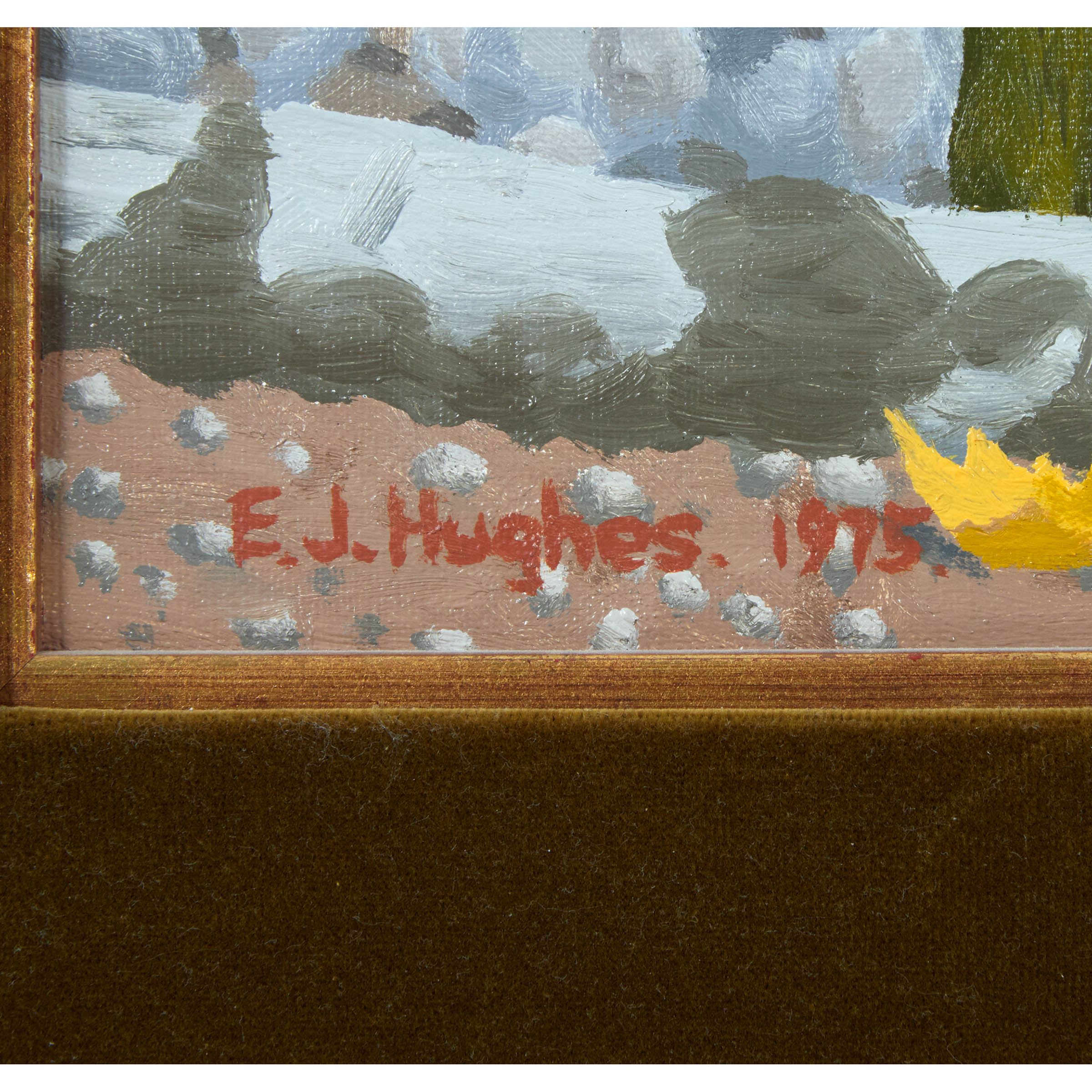
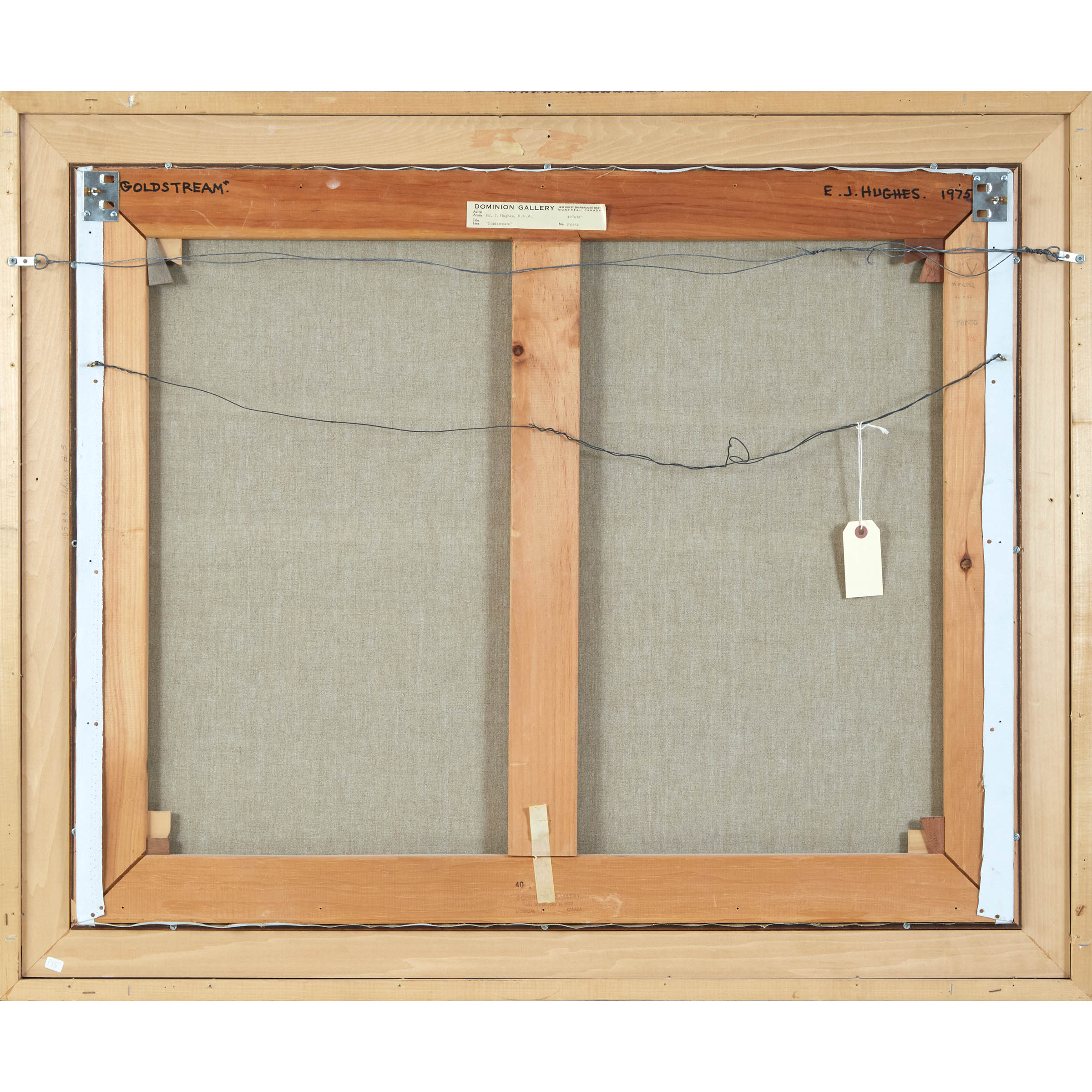
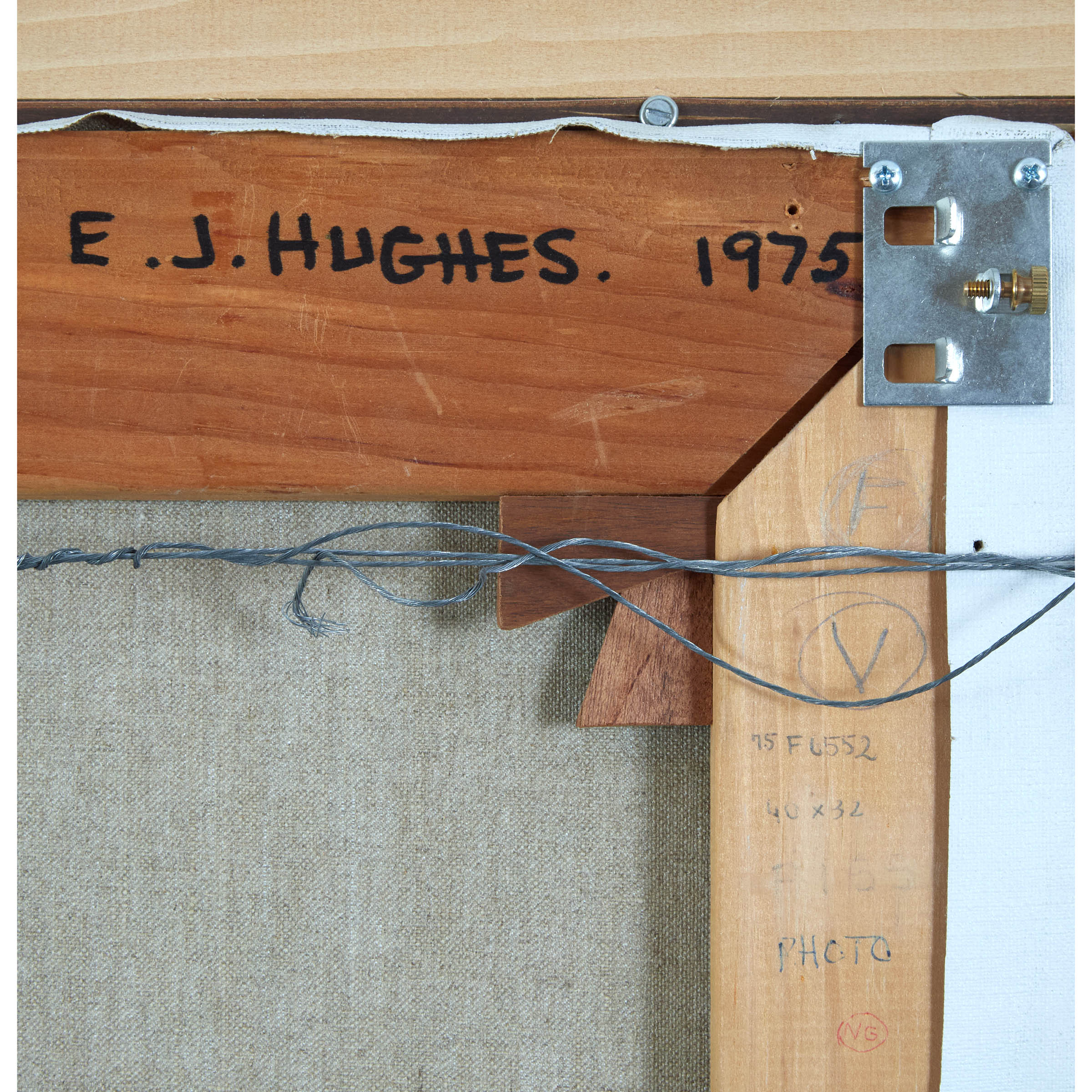
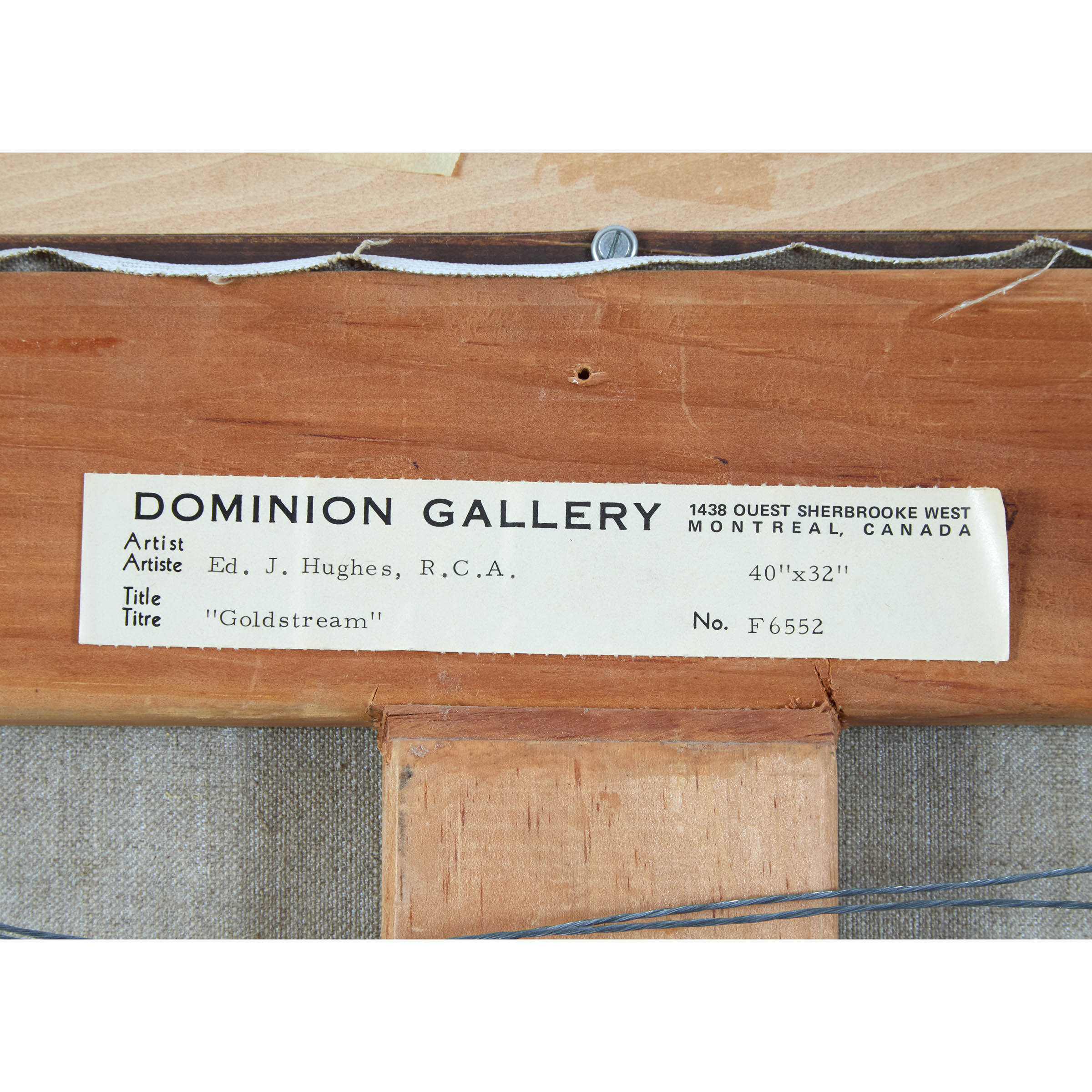
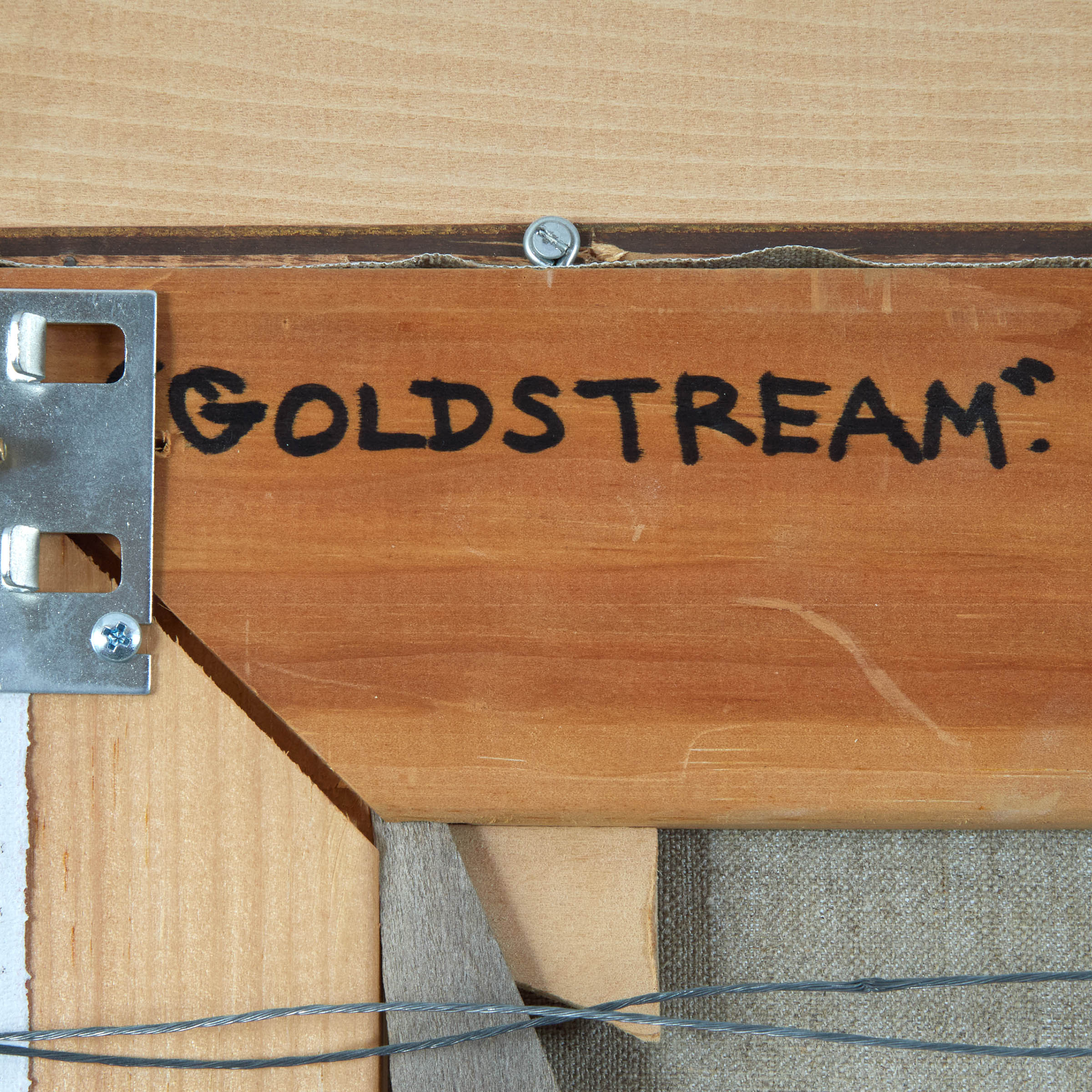
signed and dated lower left; signed, titled, and dated to stretcher verso; also titled to gallery label verso
32 x 40 in — 81.3 x 101.6 cm
Estimate $100,000-$150,000
Additional Images
Provenance:
Dominion Gallery, Montreal, QC
Private Collection, Ontario, acquired from the above in Jan 1977
Literature:
E.J. Hughes, 1931-1982: An Exhibition, (exh. cat.) (Surrey: Surrey Art Gallery, 1983-1985), p. 95, no. 39.
Exhibited:
E.J. Hughes, 1931-1982: An Exhibition, Surrey Art Gallery, 18 Nov - 11 Dec 1983; Art Gallery of Greater Victoria, 15 Mar - 29 Apr, 1984; Edmonton Art Gallery, 18 May - 2 Jul 1984; Glenbow Museum, 20 Jul - 2 Sep 1984; National Gallery of Canada, 21 Sep - 4 Nov 1984; Beaverbrook Art Gallery 23 Nov - 6 Jan 1985.
Note:
Accompanied by copies of purchase invoice and exhibition letters (purchaser name and address redacted).
Goldstream marked an important moment in Hughes’ life. The artist’s wife, Fern, passed away in December of 1974. Devastated, Hughes found himself unable to work for some three months. He relocated from their home in Cobble Hill to the town of Duncan, British Columbia, perhaps in search of a fresh start. By February 1975, he was able to again find solace in his work, and painted Goldstream, the first canvas completed after Fern’s death.[1]
In a letter dated 20 February 1975, sent to his dealer, Dr. Max Stern of the Dominion Gallery, Hughes wrote: “Although time has not yet eased the grief, I am starting to paint again, and hope to have a canvas ready to send to you on Mon. Feb. 24. It is called “Goldstream.””[2] The two wrote at length about the painting, with Hughes explaining the composition and where it was painted from – the parking lot at Goldstream Park. In his letter, he reiterated his goal “to make all of my paintings clear and realistic, even more understandable than a photograph.”[3]
This tension between photography and painting was one that was central to Hughes’ practice. He wrote:
“I occasionally do a painting which appears much like a coloured photograph, and sometimes when I see a coloured photograph which is of a scene which is well composed, well, it almost knocks me for a loop, and I can't paint sometimes for two days after I see this. Just wondering what is the advantage of my going on painting realistically like this. Then eventually, I realize, like I always do, that a painter can add something that the photograph hasn't done which makes the painting durable. One of the main reasons I paint is because I think nature is so wonderful. I want to try to get my feelings of that down on canvas, if possible. I feel that when I am painting, it is a form of worship. I see how wonderful nature is and how wonderful art is ... and by trying to produce these works of art, I feel that I am just showing my appreciation of these creations. It feels much better to me to think that an artist is working to show his appreciation of what already has been created than creating things himself.”[4]
In its lightened colour palette, Goldstream typifies Hughes’ works of the 1970s. Art historian Ian Thom describes work from this period as having “a more silvery tonality”[5] while art historian Jane Young notes their “glassy light.”[6] Though some writers attribute this shifted colour scheme to the artist’s grief after his wife’s death, Young notes that it was rather a means to improve his work through a better sense of atmospheric perspective and depth.
[1] Ian M. Thom, E.J. Hughes (Vancouver: Douglas & McIntyre, 2002), 174.
[2] E.J. Hughes to Max Stern, 20 February 1975, Dominion Gallery Fonds, National Gallery of Canada, Ottawa.
[3] Thom, 158.
[4] ibid, 181.
[5] Jane Young, EJ Hughes 1931–1982 (Surrey: Surrey Art Gallery), 63.[6] ibid.