


Lot 44
Bertram Brooker, RCA (1888-1955)
Additional Images
Provenance:
Estate of the artist
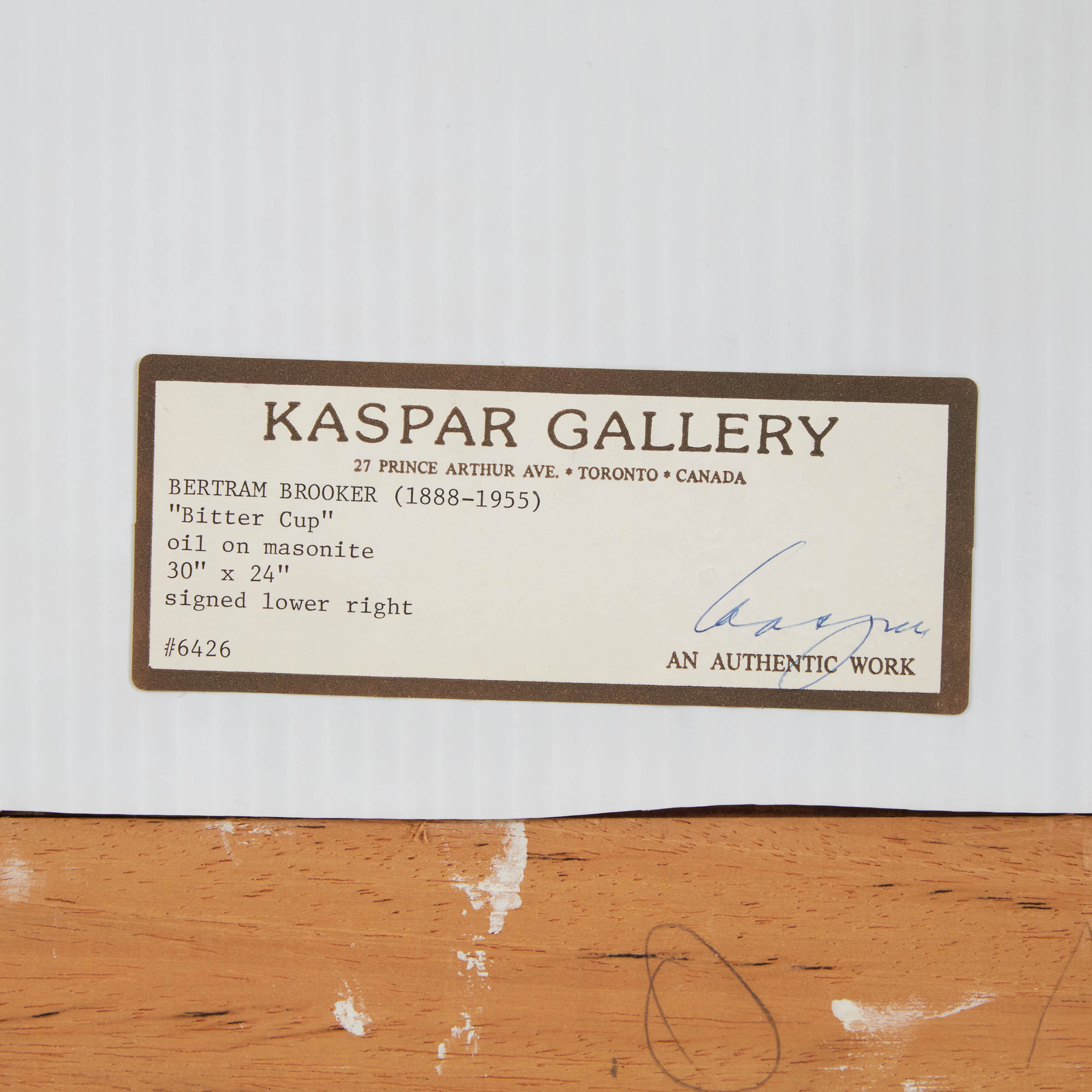
Kaspar Gallery, Toronto, ON
Private Collection, Ontario
Literature:
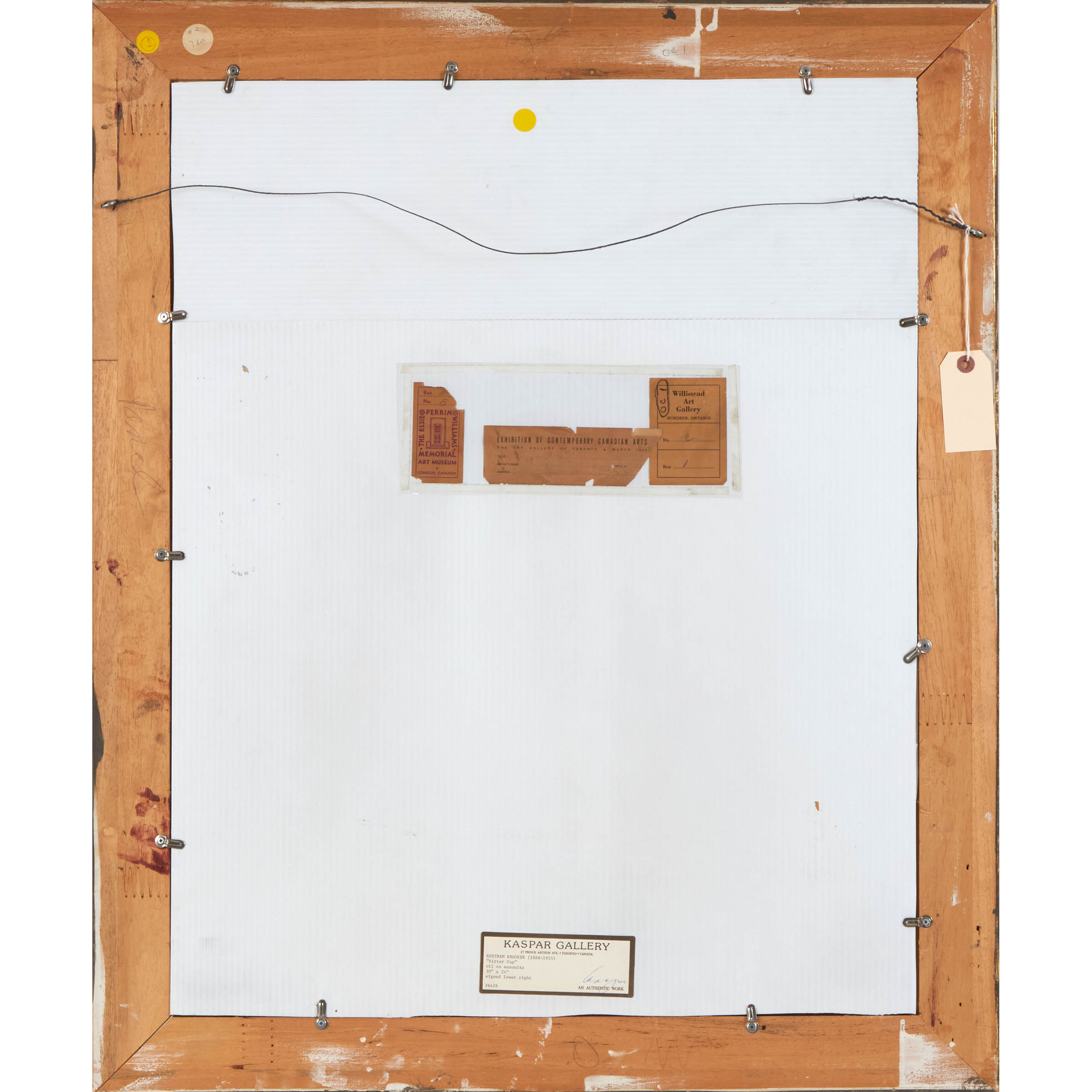
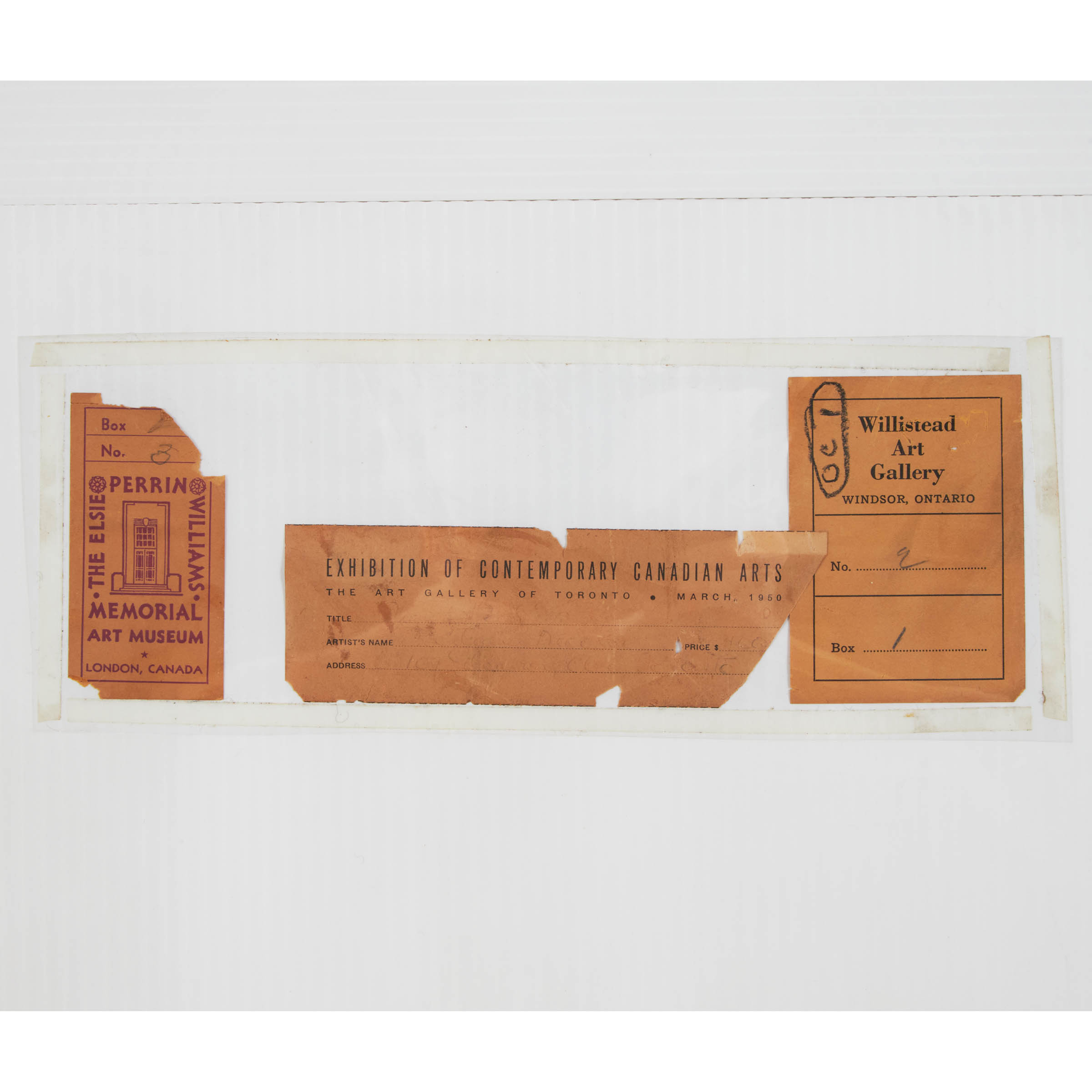
Exhibition of Contemporary Canadian Arts, The Art Gallery of Toronto, 3 Mar - 16 Apr 1950 (exh. cat.), p. 7 no. 17.
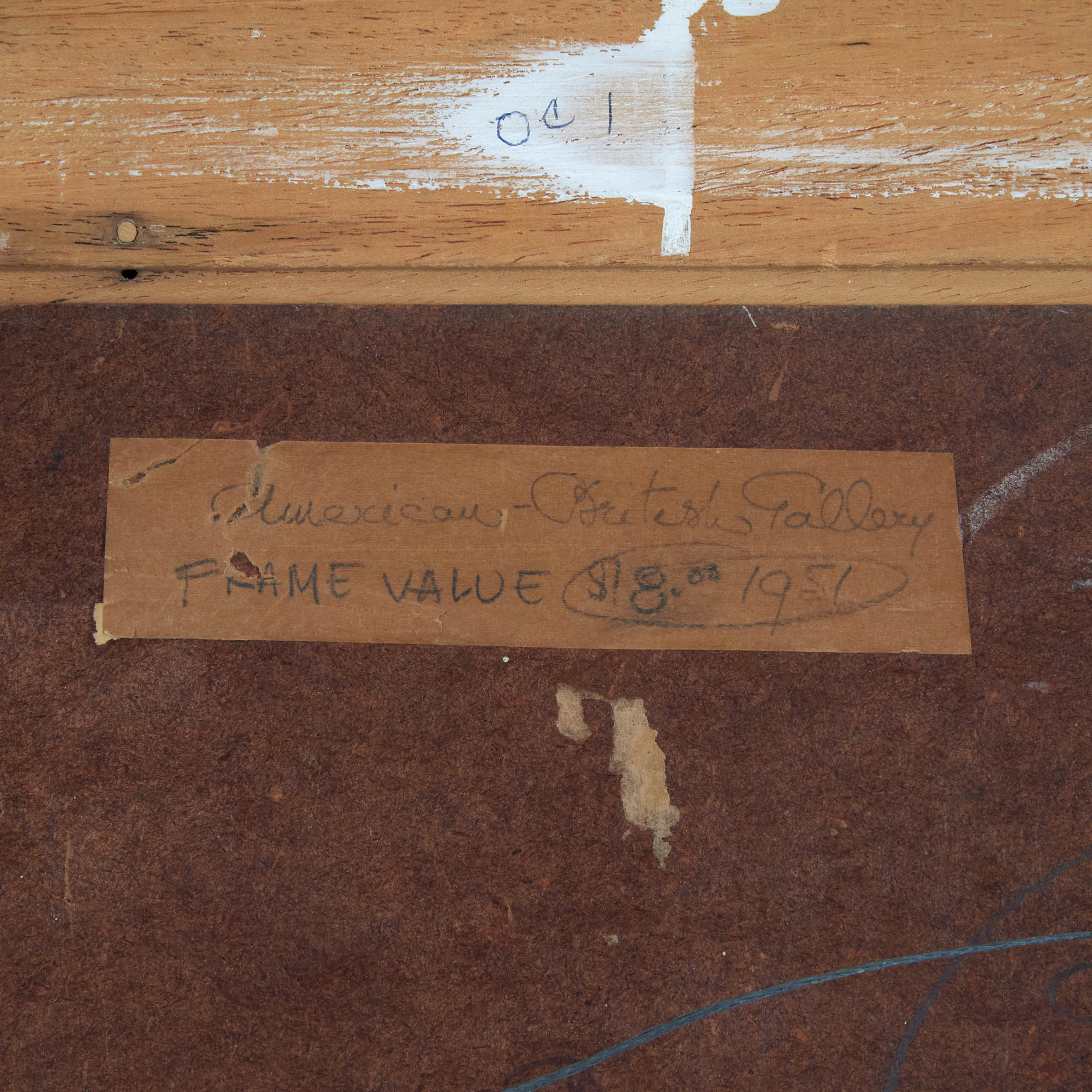
Canadian Painting and Sculpture, British American Art Gallery, New York, 18 Sep - 5 Oct 1951 (exh. cat), no. 6.
84th Annual Exhibition of the Ontario Society of Artists, Art Gallery of Toronto, 17 Feb - 18 Mar 1956 (exh. cat), no. 17.
Exhibited:
Exhibition of Contemporary Canadian Arts, The Art Gallery of Toronto, 3 Mar - 16 Apr 1950.
Canadian Painting and Sculpture, British American Art Gallery, New York, 18 Sep - 5 Oct 1951.
84th Annual Exhibition of the Ontario Society of Artists, Art Gallery of Toronto, 17 Feb - 18 Mar 1956.
Brooker (1885-1955), A 20 Year Retrospective, Yaneff Gallery, Toronto, 28 Oct - 13 Nov 1982.
Note:
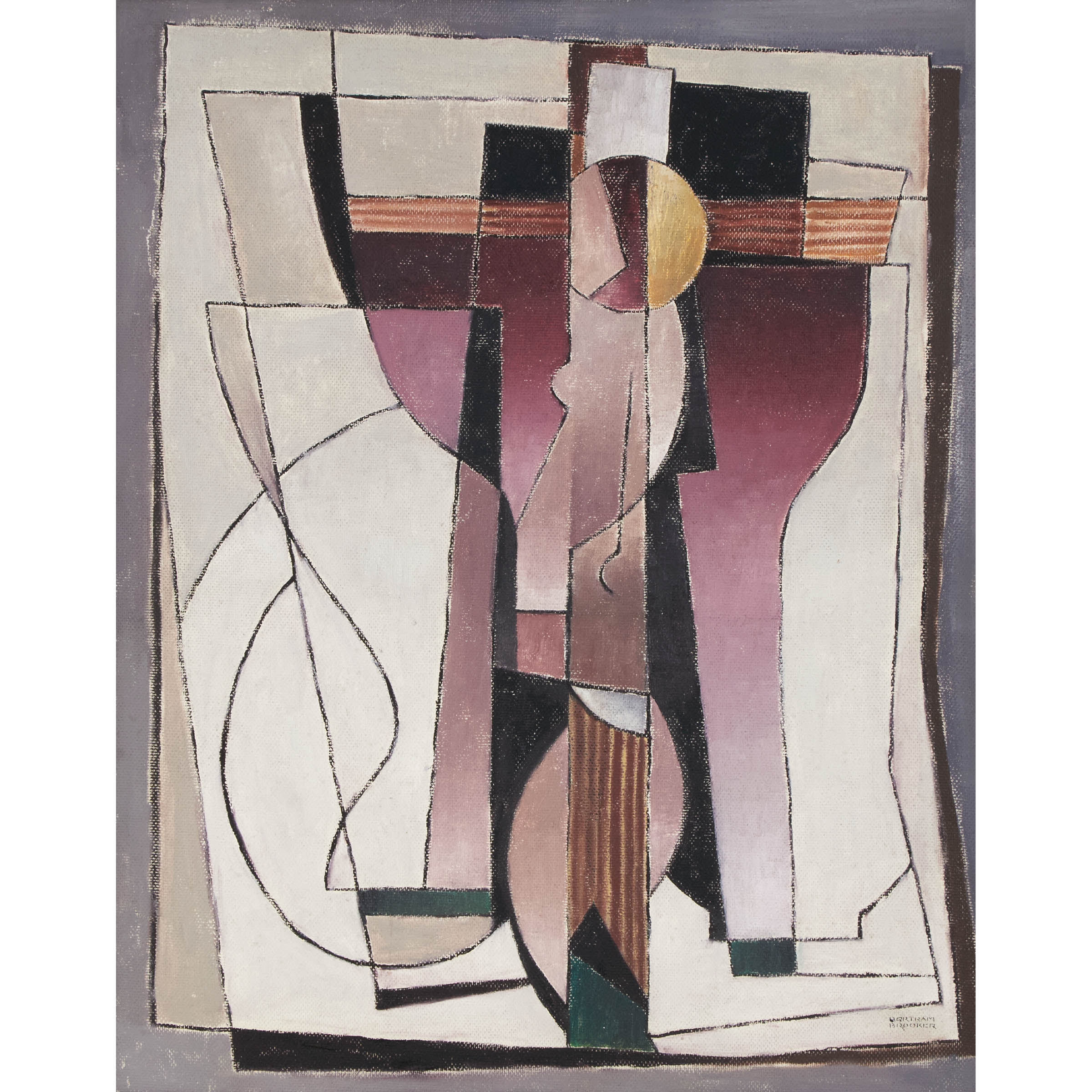
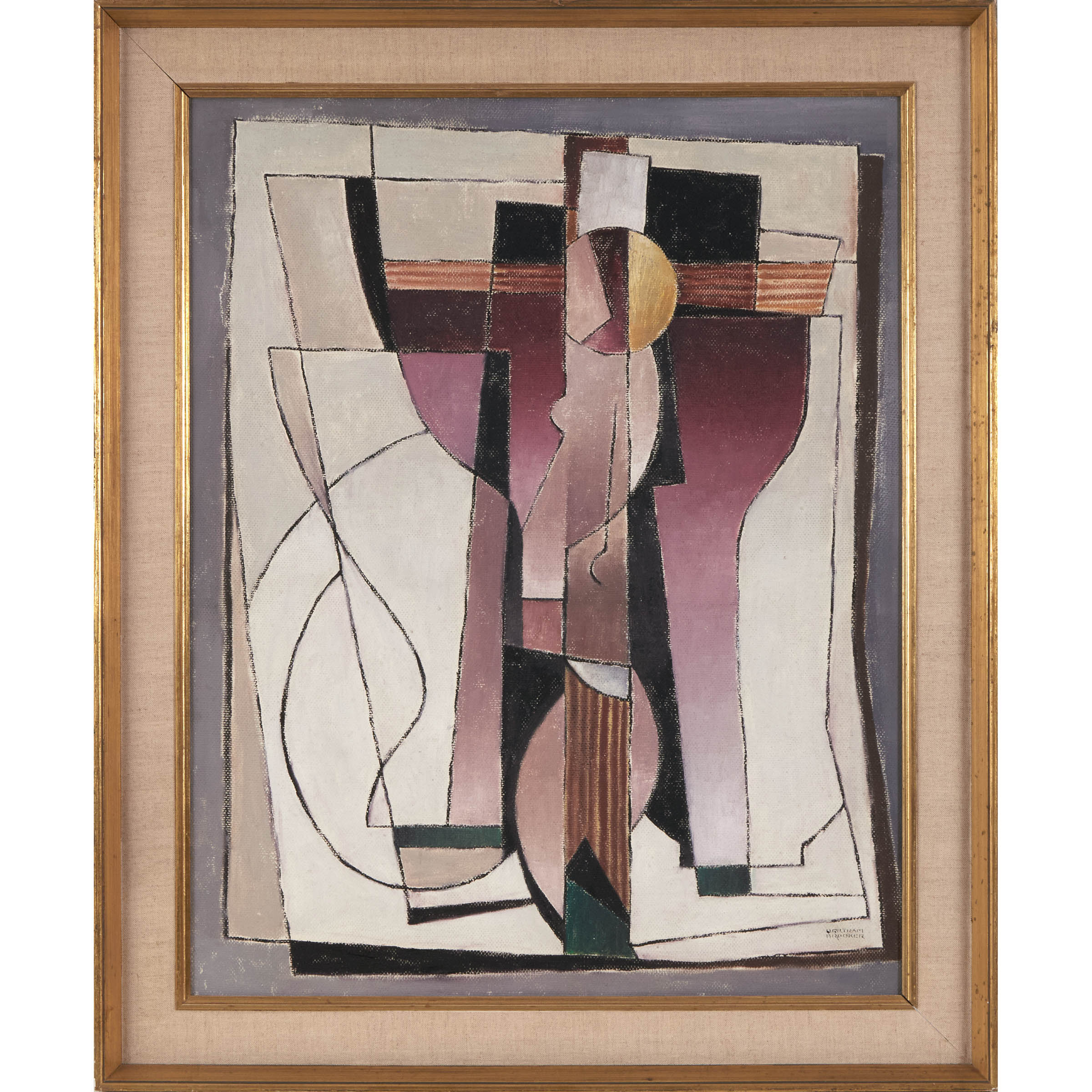
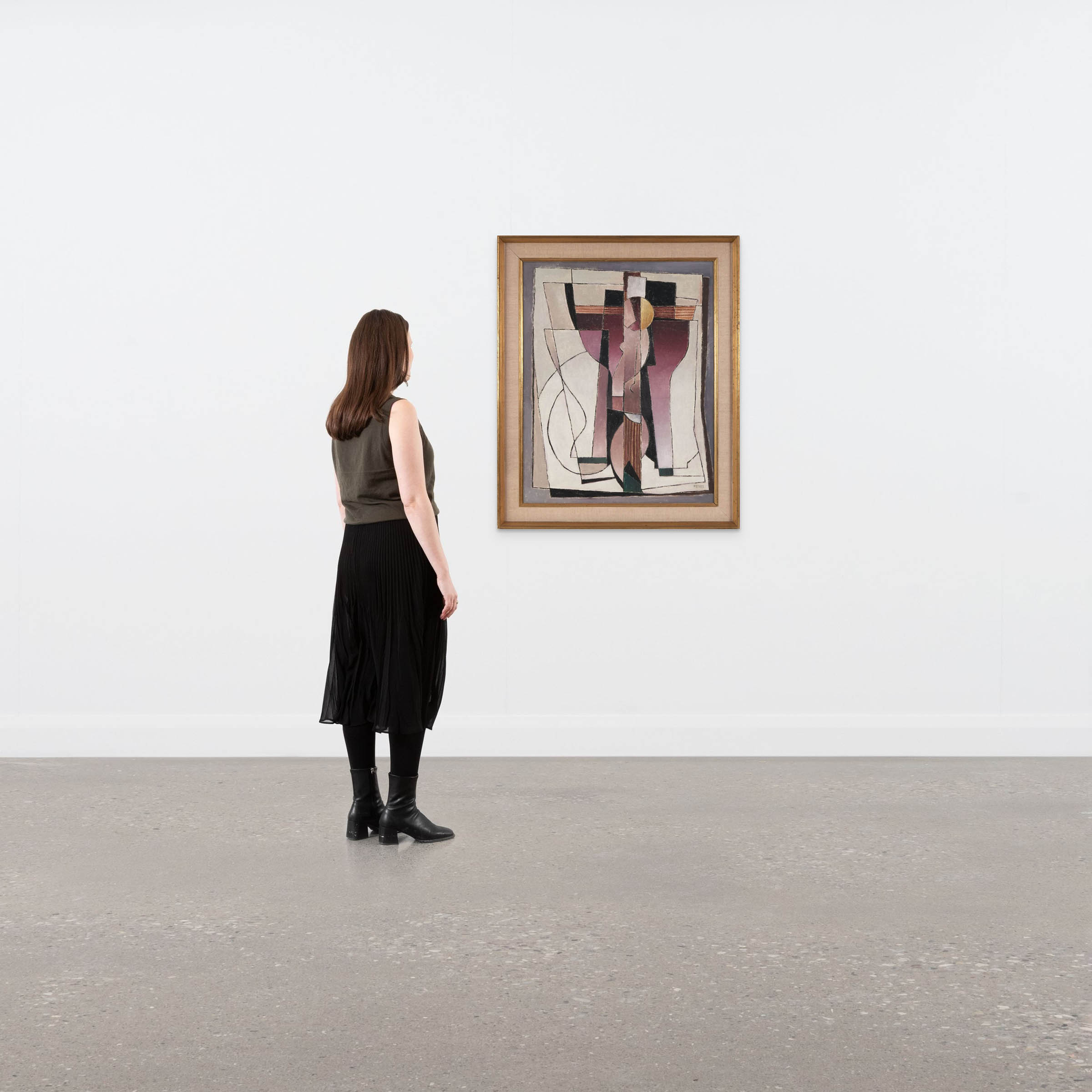
The “bitter cup” of this title comes from the Agony in Gethsemane (Matthew 23), where Jesus asks that “this cup pass from me.” The symbolism conveys profound suffering, sacrifice, and submission to divine will, which was accepted by Jesus in atonement for human sin and in the service of salvation. Though much has been made of Brooker’s spiritualism, he was at his core a conservative Christian thinker, albeit one with a strong mystical bent. Brooker understood the artist’s role as being instructive, guiding others toward a connection with the divine through art.
James King, writing for the Art Canada Institute, explains that Brooker sought to meld known ideas with new forms: “While Brooker’s mystical leanings may be characterized as old-fashioned, he used twentieth-century means to realize his vision. In his critical writings he espoused many traditional values, but he always judged the works of other artists on their ability to encapsulate their ideas in modernist ways. For him, a modernist sought to find new formalist techniques to encompass contemporary ideas. Just as Blake’s mystical leanings were inspired by a host of sixteenth- and seventeenth-century sources, Brooker’s spiritually charged illuminated books about the transcendent, such as ‘Elijah’ [a special edition of excerpts from the Book of Kings], 1929, were experimental and trail-blazing.”[1]
[1] James King, Bertram Brooker: Life & Work, (Toronto: Art Canada Institute, 2018), https://www.aci-iac.ca/art-books/bertram-brooker/