


Lot 249
Pauta Saila ᐸᐅᑕ ᓯᓚ, RCA (1916-2009)
Additional Images
Provenance:
Collection of Dr. Norman Epstein, Toronto, ON
Note:
Perhaps the consummate sculptor of bears, Pauta Saila found a delightful range of emotions and postures in the animal. Like his audience, Pauta clearly enjoyed the various nuances of his many iterations of the subject, explaining:
I carve bears with longer and shorter necks, some that are fat or lean. They are in different positions because bears are always doing something. Sudden moves are possible with shorter necks. Polar bears are like human beings. If they are not distracted they can see better, even when they move fast…I like to carve what I feel, not merely what I see. It is the feeling that goes along with whatever one is doing. I also think about the material, the stone. I like to think how to carve it so that it does not break. I do what the Creator wants me to do, not merely by seeing but by feeling too. Carving is very different from making a photograph. I think and feel that the bear has a spirit to be put into the carving. But each person has different thoughts when he is carving.
Today I am not worrying about making an amulet or a charm. I have to be pleased with what I am doing as does the person who is asking for the carving. I have to please myself and the buyer. At times I feel like keeping some of my carvings. In fact I have even said good-bye to some.[1]
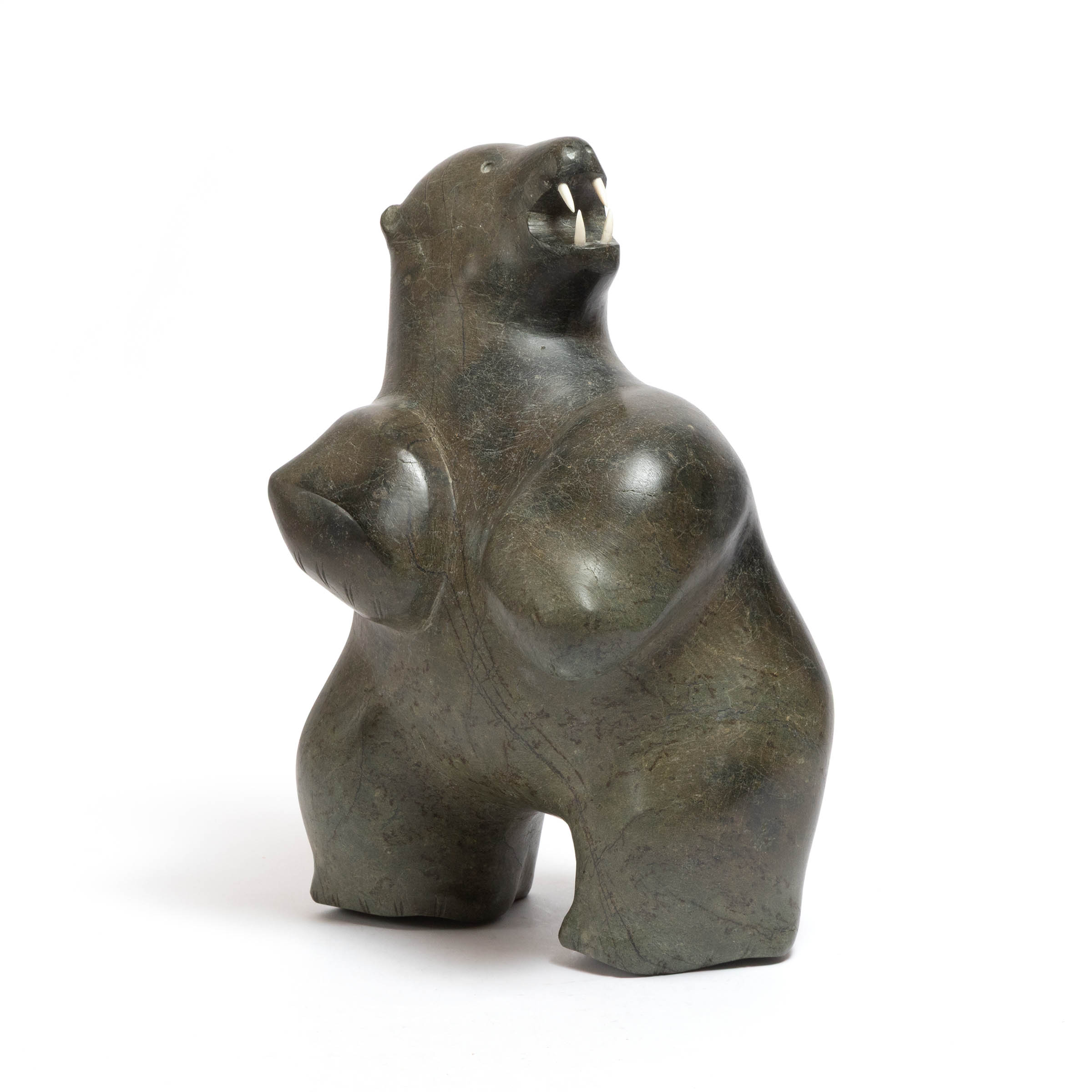
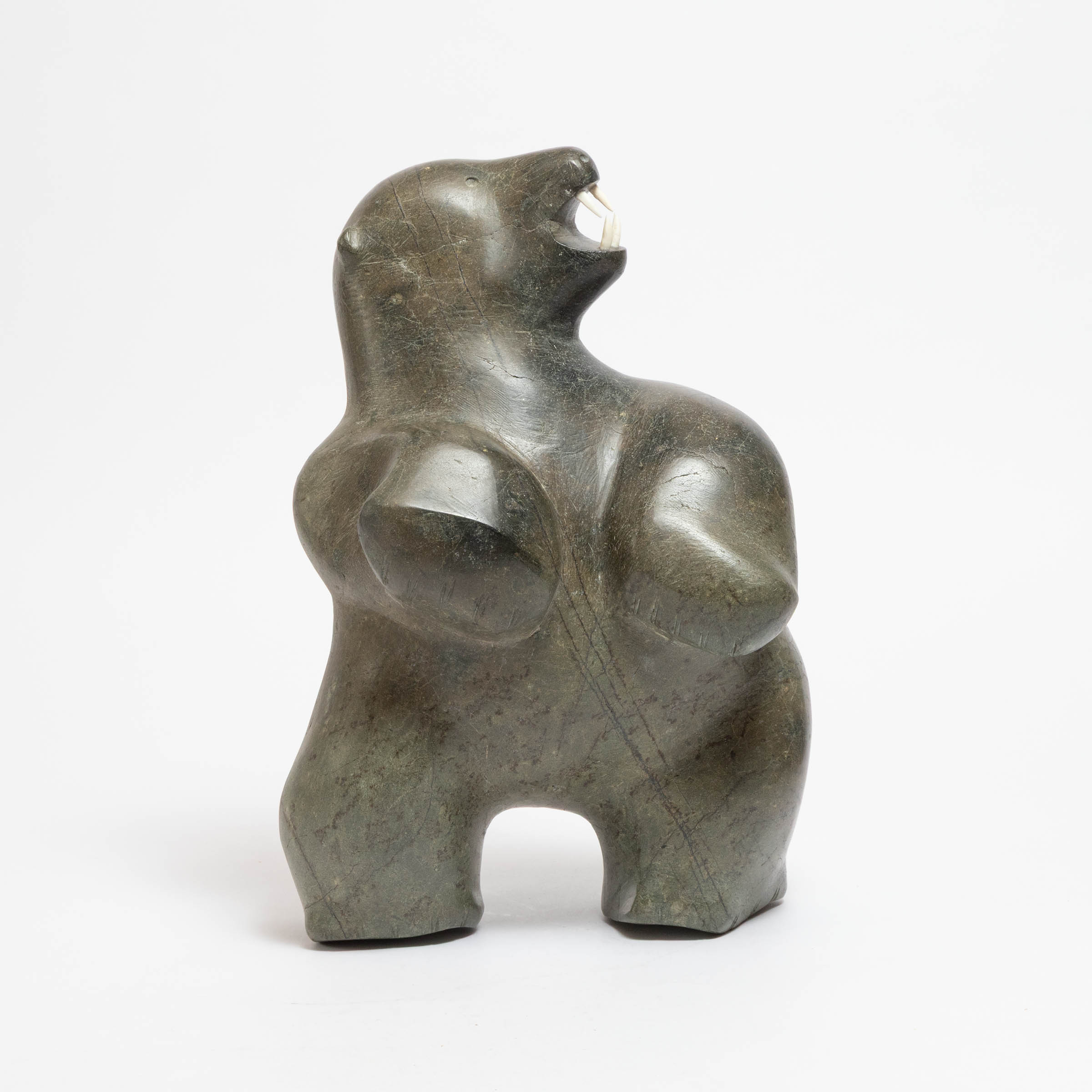
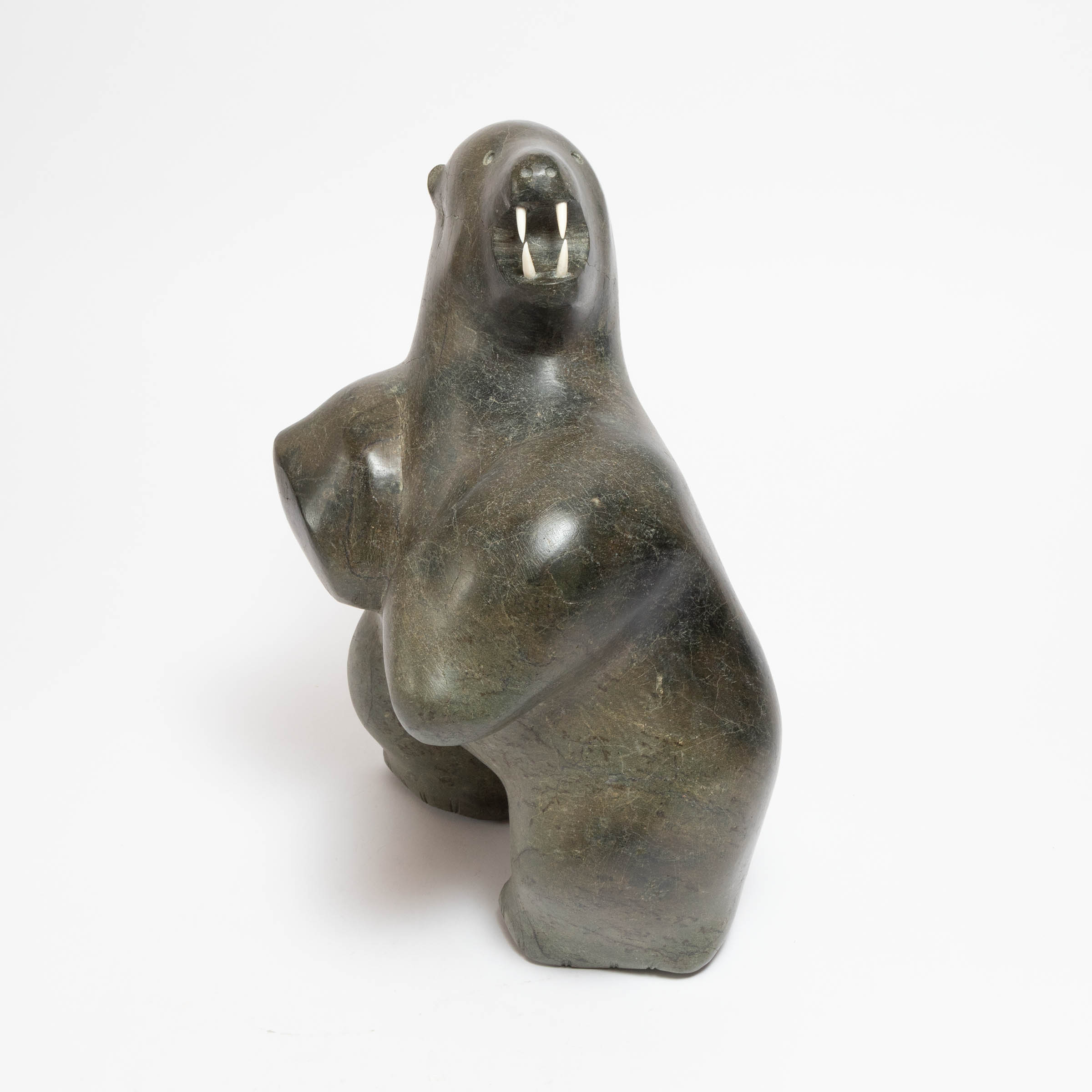
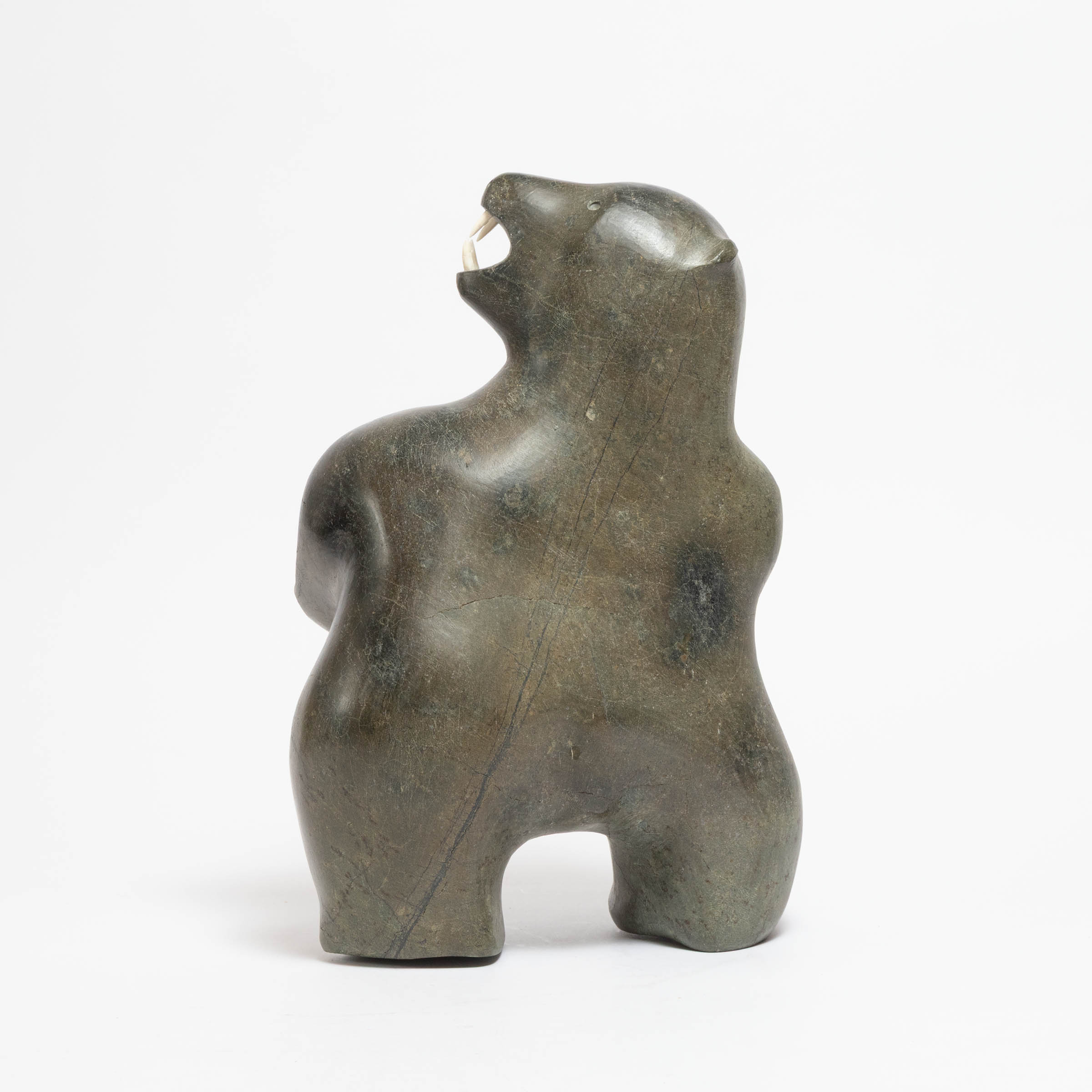
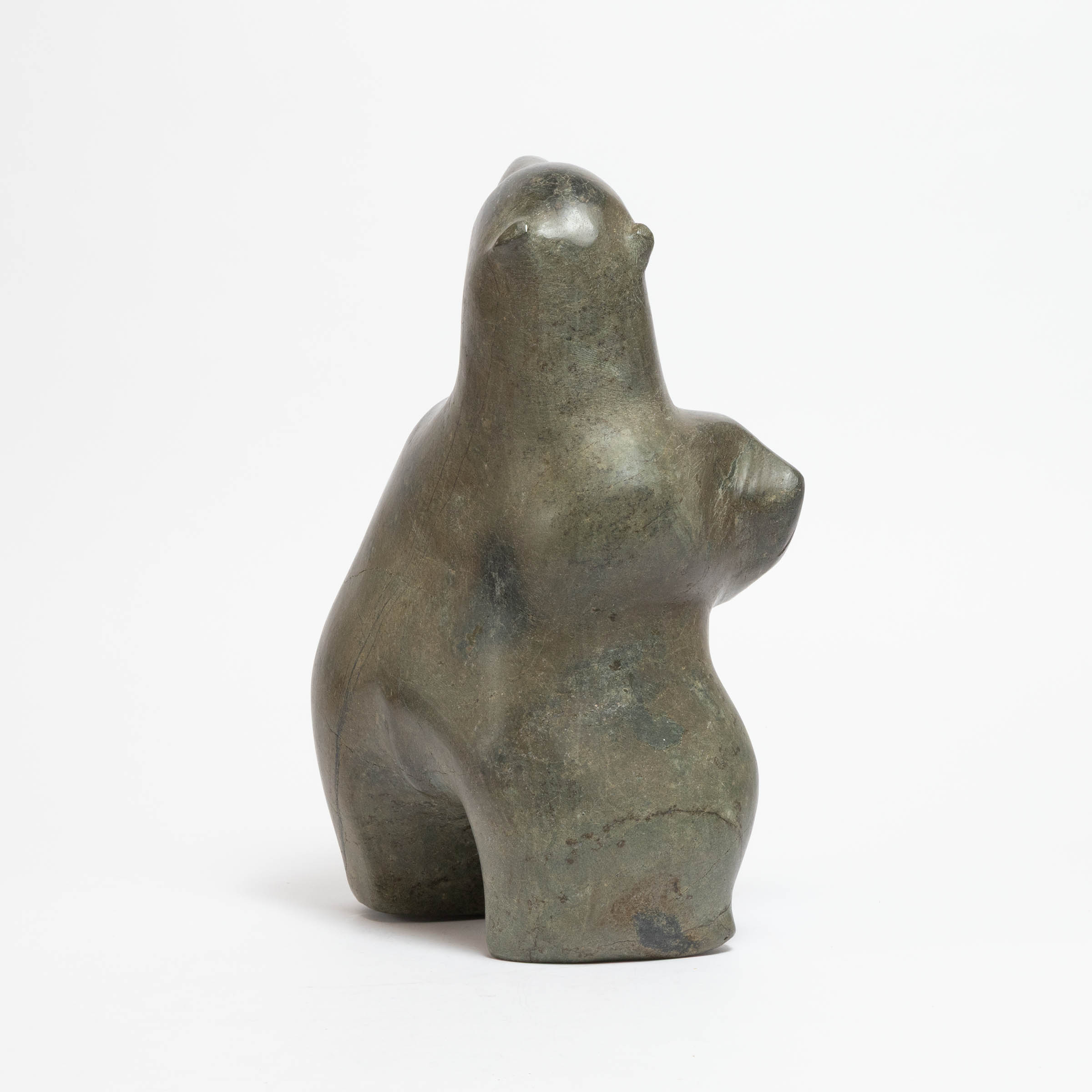
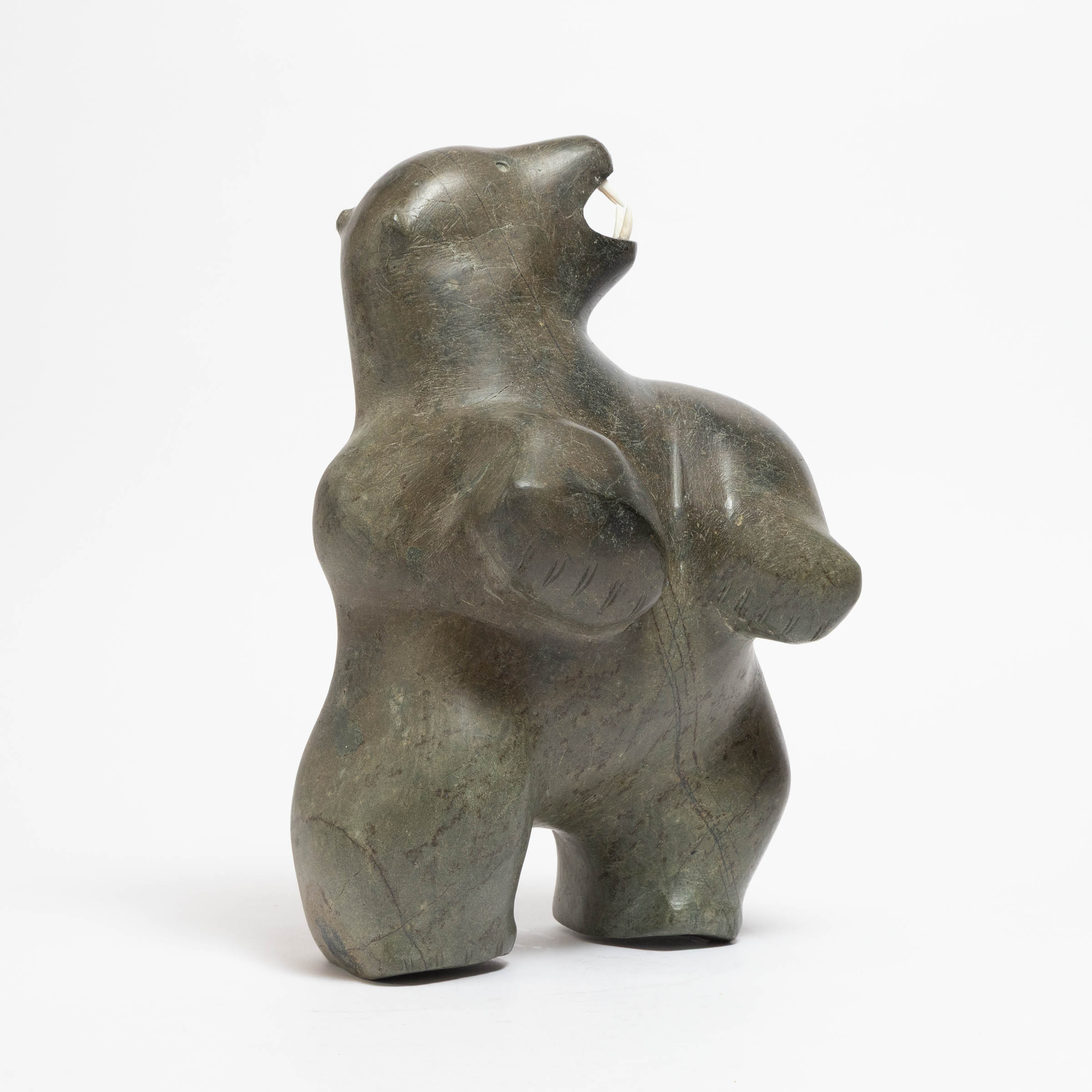
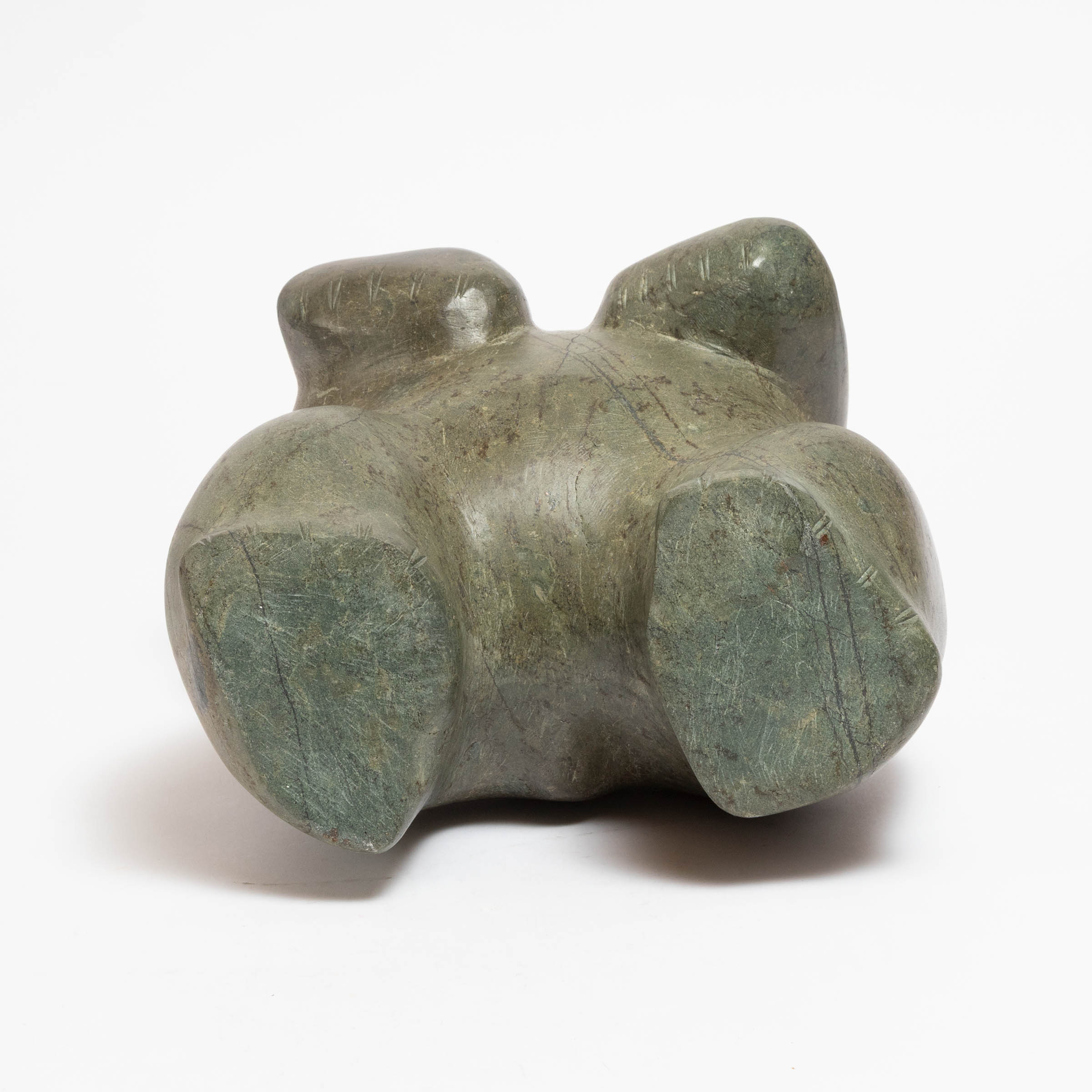
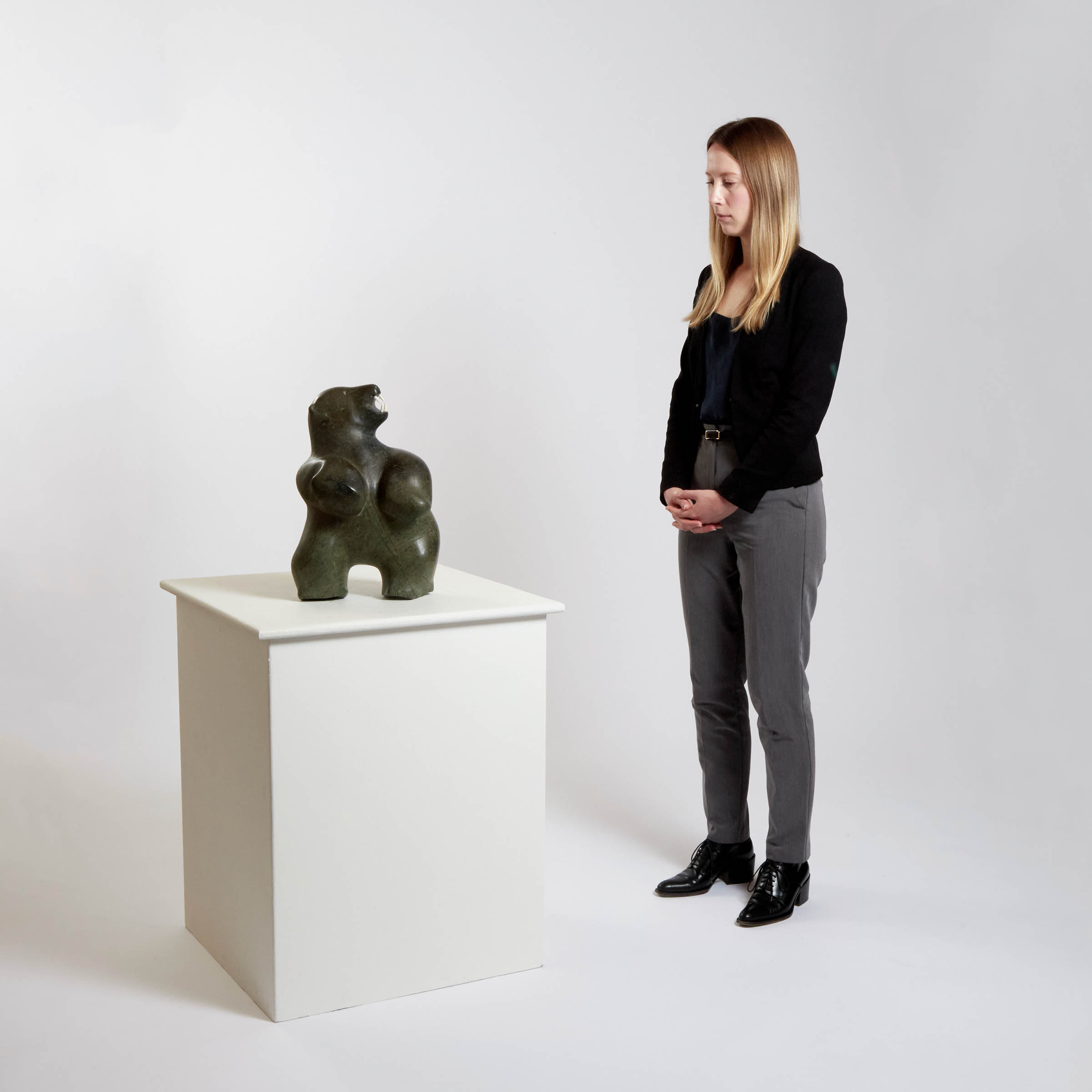
The present example dates circa 1970. Cut from hard Markham Bay stone, Pauta has polished the bear to bring out mottled green and subtle bronze-brown hues.
[1] Bernadette Driscoll, Uumajut, Animal Imagery in Inuit Art (Winnipeg: The Winnipeg Art Gallery, 1985), 46.
About the Collector
Dancing Bear is one of over fifty exceptional works in the present auction from the lifetime collection of Dr. Norman Epstein, including eight diverse depictions of bears from some of the best known artists of the subject.
Asked about the reason for his special interest in carvings of bears, Dr. Epstein replied: “because they are proud, and they are good luck.” Saying further of Pauta Saila, “Pauta is one of my favourite artists. I have one of his bears in my office. It makes me very happy; I look at it, and the patients look at it. It is very plain—majestic, simple, powerful, wonderful, happy, more bear than bear.”
Among the first generation of passionate Canadian collectors of Inuit sculpture, Dr. Epstein acquired his first artwork from the Canadian Guild of Crafts Shop in Montreal in 1956. He would go on to purchase important Inuit artwork guided by pioneering figures in the Canadian art scene including Avrom Isaacs, Harold Seidelman, and M.F. (Budd) Feheley. Dr. Epstein however remained true to his own sensibilities and personal preferences, building a varied collection around themes such as mothers and children, miniature ivories, and depictions of bears. Notably his collection was almost solely composed of sculpture, preferring the medium's “tactility” and “spiritual warmth” over Inuit graphics.
Exhibiting artworks at his offices for the enjoyment of his patients, Dr. Epstein also actively lent to several provincial and national exhibitions. Part of a firm conviction for Dr. Epstein about the cultural value of his chosen collecting field, he stated plainly in a 1990 interview with Inuit Art Quarterly, “Inuit art is a Canadian heritage”.
By the 1990s, Dr. Epstein was making fewer changes to his collection. While often shared with the public, the collection was also deeply personal for him, treasured through its many iterations over 60 years. Dr. Epstein notes of his sculptures at the close of the article, “I love them so much, which may be a sickness for which there is no cure”.