



The two tiny villages of Barolo and Barbaresco are about a 25 minute drive away from one another in the Piedmont region of Italy. Though not far geographically, both are known for doing very different things with the Nebbiolo grape.
BAROLO VS. BARBARESCO
Barolo is known as the “King of Wines,” while Barbaresco is considered the “Queen.” Journalist Kerin O’Keefe, who authored a book on both, notes that they have been acclaimed only since the early 1990s, and that before then, “many producers used to give away a bottle or two of Barolo to their most loyal customers, who would come to the Langhe to stock up on Dolcetto and Barbera, as a way to generate interest in what the producers themselves always considered their star wine.”
Nebbiolo, which must make up the entirety of both Barolo and Barbaresco, is one of the oldest grape varieties from Piedmont. The region is notable for the relatively small size of its vineyards, with the average size clocking in at around five acres (2.02 hectares). The Barolo area is three times larger than Barbaresco, and the former is older and more rugged than the latter.
Barolo vines are planted on steep hillsides, and grow in a cooler climate. The wines produced are structured and robust, with firm tannins and relatively high acidity, due to the slow ripening that occurs from high altitudes. A typical Barbaresco is known for being elegant, velvety and more approachable, with lighter tannins that result in having been grown in warmer conditions and in a less extreme landscape.
To earn Barolo’s Denominazione di Origine Controllata e Garantita (DOCG) status, wines must be aged for 38 months, 18 of which are in oak. To be considered a “riserva” or reserve wine, it must be aged for five years. Conversely, to earn a DOCG status, Barbaresco must be aged for 26 months, 9 months of which are in oak.
CELLARING AND DRINKING
Barolo often cellars for longer than Barbaresco, though both have the potential to age for decades. Barbaresco is known for its accessibility and “drink now” potential, while Barolo is seen as a wine to be laid down and saved for special occasions. Joann Maplesden, Senior Specialist in our Fine Wine and Spirits department, notes that “both have the distinct Nebbiolo style which is roses on the nose and tar on the palate.”
When opening a bottle of either, decanting is considered best practice to best showcase the wine. As you’d guess from the “masculine” vs “feminine” designations for Barolo and Barbareco, food pairings for the former tend to be stronger – lamb, sausage, risotto, bold cheese – while the latter is often suggested as a match for fowl, salad, and pasta.
ABOUT THE AUCTION
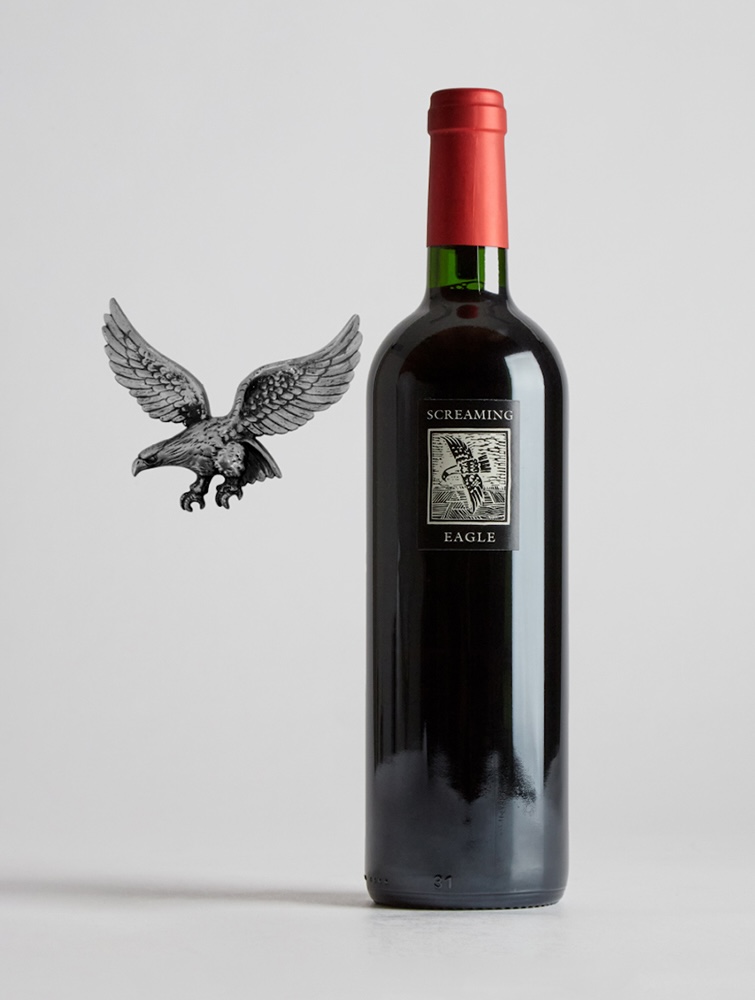
Ready to get your hands on a bottle or two? Join us for our Spring Fine Wine auction, available for online bidding May 25 – June 2, 2026. The auction offers a dynamic selection of wines from benchmark Burgundy and Bordeaux anchoring the auction, to iconic Italy and renowned Napa Valley, featuring a Screaming Eagle. Look for Champagnes, Super Tuscans, many original wooden cases (OWCs) and perfect 100 point wines. These compelling lots, from distinguished private cellars, showcase a broad range of opportunities for all collectors and enthusiasts with the focus, as always, on quality, provenance, cellaring and drinkability.
Please contact us for more information.
Related News
August 12, 2026

July 8, 2026
May 6, 2026
April 14, 2026

April 12, 2026
February 19, 2026
February 10, 2026
November 29, 2025
Meet the Specialists

Joann Maplesden
Senior Specialist

Devin Hatfield
Specialist